
At Relational Ground, Dominick explores how men’s health, relationships, and societal change intersect through stories, research, and global perspectives. This work examines how cultural norms and systemic barriers shape men’s experiences with reproductive health, family planning, and emotional well-being. From global fertility trends to fathers’ roles in sexual health and the NFL’s platform for men’s health, Relational Ground challenges outdated narratives and offers practical solutions. Its relational approach emphasizes connection—between partners, families, communities, and health systems—as a catalyst for stronger public health and healthier lives. Click the link to visit the Relational Ground Substack. Exemplary blogs are shared below. 
Tying Up Lions
When spider webs unite, they can tie up a lion. Using this Ethiopian proverb as a guide, this article explores how resilience emerges through relationships rather than isolation. Drawing on research about ovarian cancer survivors, relational masculinity, and men's health, it argues that social connection, friendship, family, and community are essential sources of strength.
At a time when loneliness and disconnection affect many boys and men, the essay offers a relationship-centered perspective on resilience, wellbeing, and healthy masculinity.

Mapping Boys’ and Men’s Health Policy Activity Across the United States (2015–2026)
Over the past decade, states have introduced hundreds of policy actions focused on boys and men. This analysis maps more than 225 initiatives across all 50 states and asks a critical question: Are we building sustainable systems for boys' and men's health, or simply creating isolated programs?

Why Are Young, Childless Men Seeking Vasectomies?
Many young childless men are becoming more politically engaged because politics can provide identity, belonging, purpose, and community. As traditional sources of meaning such as marriage, fatherhood, religion, and civic organizations become less central for many people, political movements can offer a sense of connection and direction during periods of uncertainty and social change.
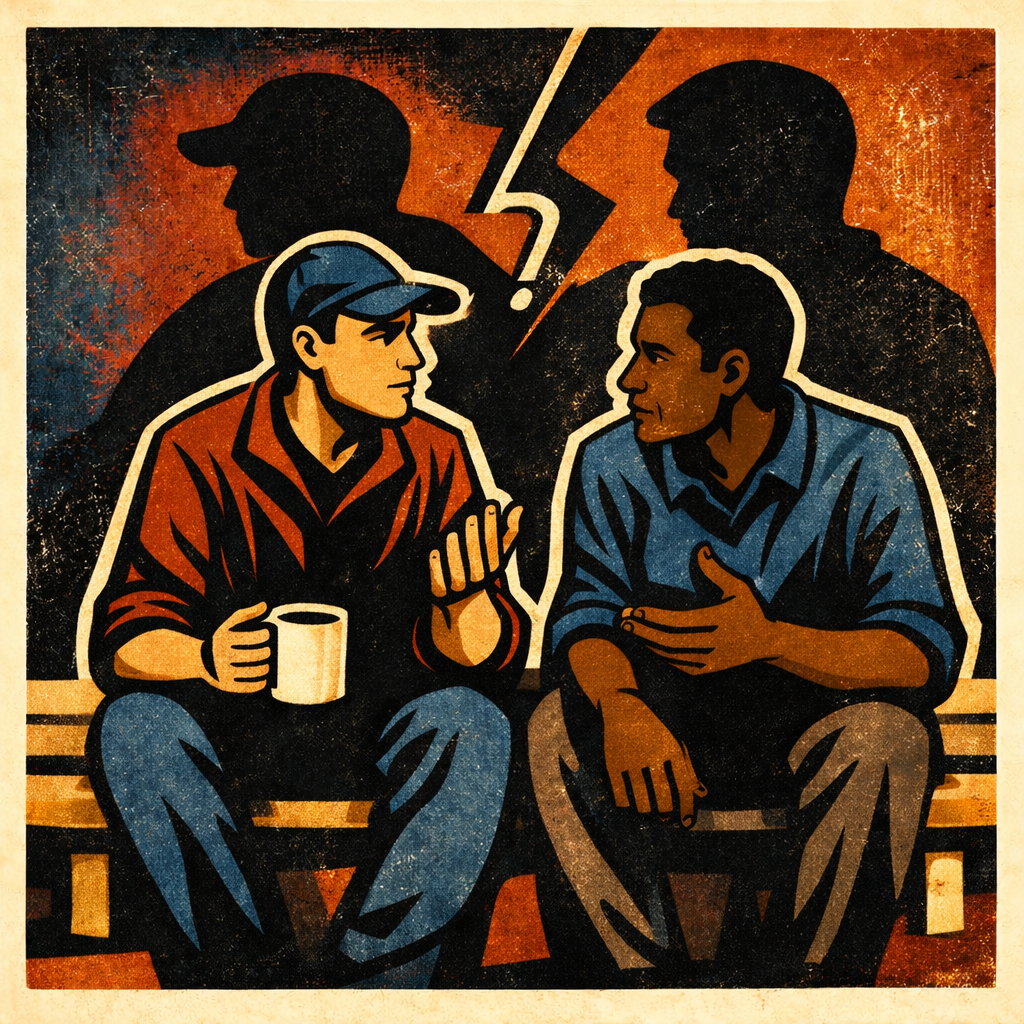
Interpersonal Curiosity as Relational Infrastructure
Loneliness is not simply the absence of contact; it is the absence of meaningful understanding. Research on interpersonal curiosity suggests that asking better questions—and following up—may be one of the most practical tools for strengthening male friendships.

One Visit, Many Opportunities: Multi-Behavior Interventions for Men’s Health Care
Men and boys often reach primary care late and focused on immediate problems. I argue that multi-behavior interventions for health care providers—supporting screening, advice, and referral in a single visit—are a critical, underused lever for improving men’s health outcomes.
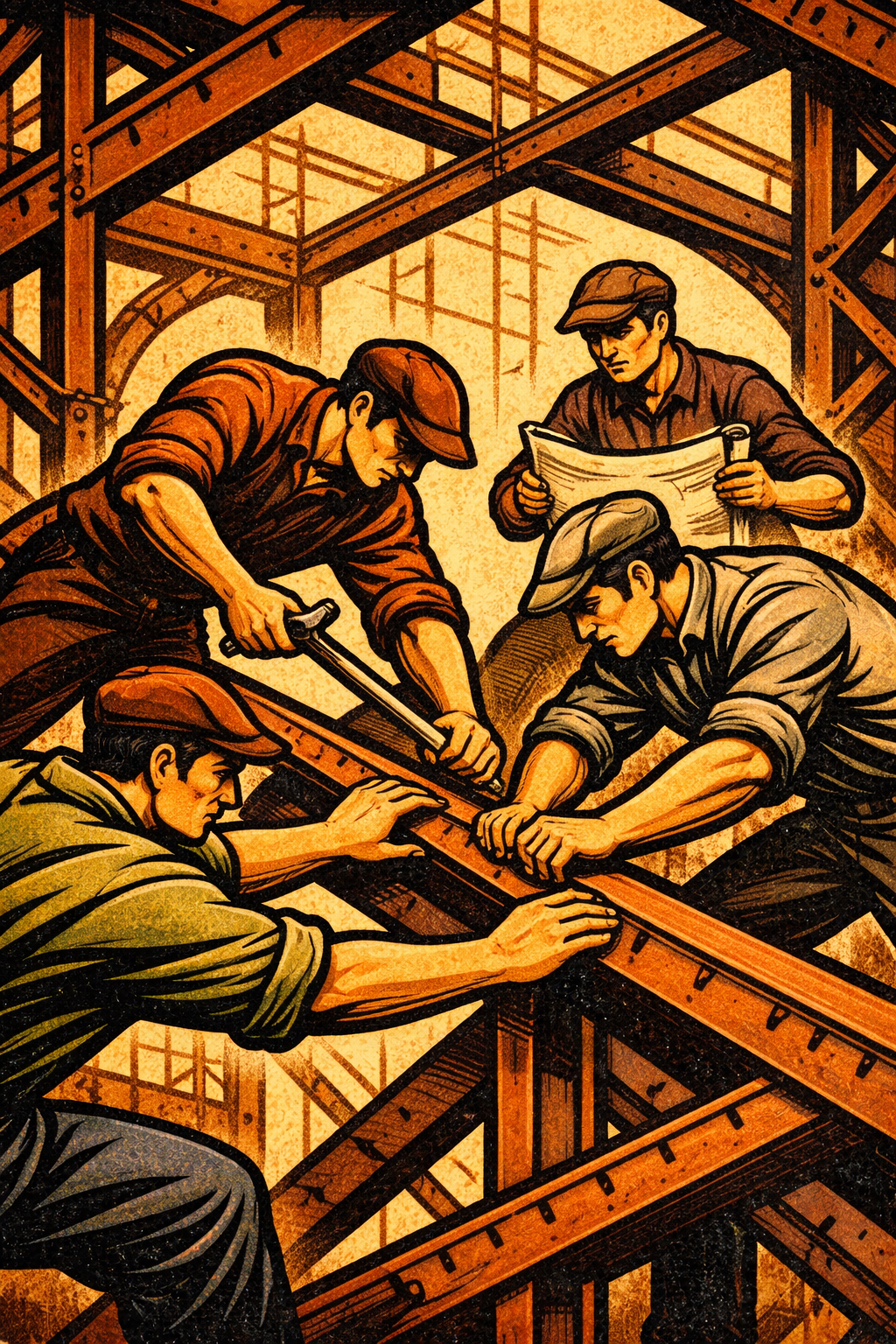
The Collapse of Workplace Friendship
For many men, work quietly provided the conditions that made friendship possible: repeated interaction, shared purpose, and low-stakes proximity. As remote work, turnover, and hustle culture thin those conditions, connection doesn’t disappear overnight. It becomes harder to start and easier to lose. What we’re calling a loneliness crisis is, in part, the collapse of work as a place to belong.

Relational Masculinity in Public
Taken together, Talarico models a form of masculinity that is accountable rather than authoritarian, humble rather than domineering, and rooted in relationship rather than fear. What makes this posture especially relevant is not its theological specificity or political context, but its implications for men’s health and belonging.

The Testosterone Economy and the Appeal of Simple Answers
Men aren’t chasing testosterone. They’re chasing certainty. In a health system that often says “wait and see,” the testosterone economy offers a clear label, a defined pathway, and a sense of legitimacy—revealing not a failure of men, but a failure of care design.

Individualism Under Constraint
Childlessness in the United States is increasingly common, but rarely experienced the same way. Drawing on national surveys, demographic research, and studies of permanent contraception, this essay examines how Americans are navigating fertility, identity, and permanence in an era shaped by economic insecurity, delayed independence, and policy uncertainty.

General Who? What White Christmas Teaches Us About Men, Aging, and Being Loved
A Thanksgiving ritual, a 1954 musical, and an unexpected lesson about masculinity. What White Christmas teaches us about men, aging, and saying “I love you” out loud—without embarrassment.
Men’s Holiday Check-In Guide
The holidays can be a meaningful time to reconnect—but also a time when some men struggle quietly. This guide offers a relational, low-pressure way to check in with the men in your life through everyday moments and casual conversations. Simple prompts, small gestures, and gentle follow-ups can make the season feel more connected and supportive.
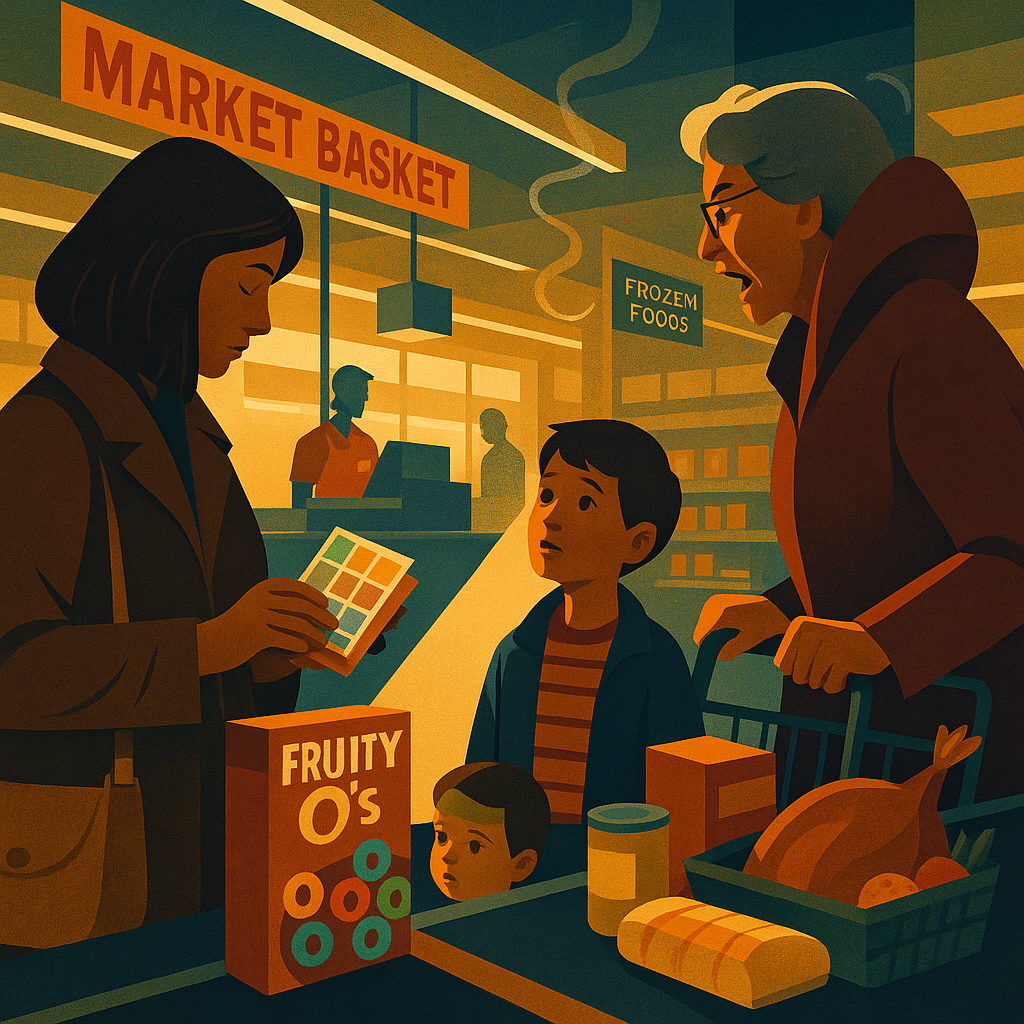
Growing Up in the Gray Area of Need
This essay looks back at the “gray area of need” I grew up in—where food assistance programs kept us afloat, but stigma shaped my identity. It’s a story about SNAP, shame, and how childhood poverty continues to shape my work in men’s health and relational masculinity.

The Perception Gap: What Men Get Wrong about Each Other and Health
Men don’t reject care—they hesitate because they’ve learned that vulnerability feels dangerous. That hesitation, multiplied across millions of interactions, becomes a cultural pattern.

From Bowling Alone to Digital Belonging
A generation after Robert Putnam’s Bowling Alone warned of civic decline, Gen Z is rebuilding belonging online. From Discord servers to Reddit micro-communities, young people are finding new forms of connection that mirror yesterday’s bowling leagues—while facing new risks of isolation. This blog explores how digital micro-spaces can help young men and women foster purpose, vulnerability, and mentorship in a disconnected age.