
At Relational Ground, Dominick explores how men’s health, relationships, and societal change intersect through stories, research, and global perspectives. This work examines how cultural norms and systemic barriers shape men’s experiences with reproductive health, family planning, and emotional well-being. From global fertility trends to fathers’ roles in sexual health and the NFL’s platform for men’s health, Relational Ground challenges outdated narratives and offers practical solutions. Its relational approach emphasizes connection—between partners, families, communities, and health systems—as a catalyst for stronger public health and healthier lives. Click the link to visit the Relational Ground Substack. Exemplary blogs are shared below. 
Miles, Men, and the Work of Staying Connected
Men do not usually walk away from their health, relationships, or sense of purpose all at once. Instead, they slowly drift away over time. Miles, Men, and the Work of Staying explains how cultural expectations about masculinity contribute to this disengagement, and why staying connected to care, identity, and other people requires ongoing effort.

Yes, The Manosphere Documentary Matters, But What Matters More?
The manosphere isn’t just an internet subculture—it’s filling a gap. This piece explores why the documentary matters, and why the deeper issue is men’s search for connection and belonging.
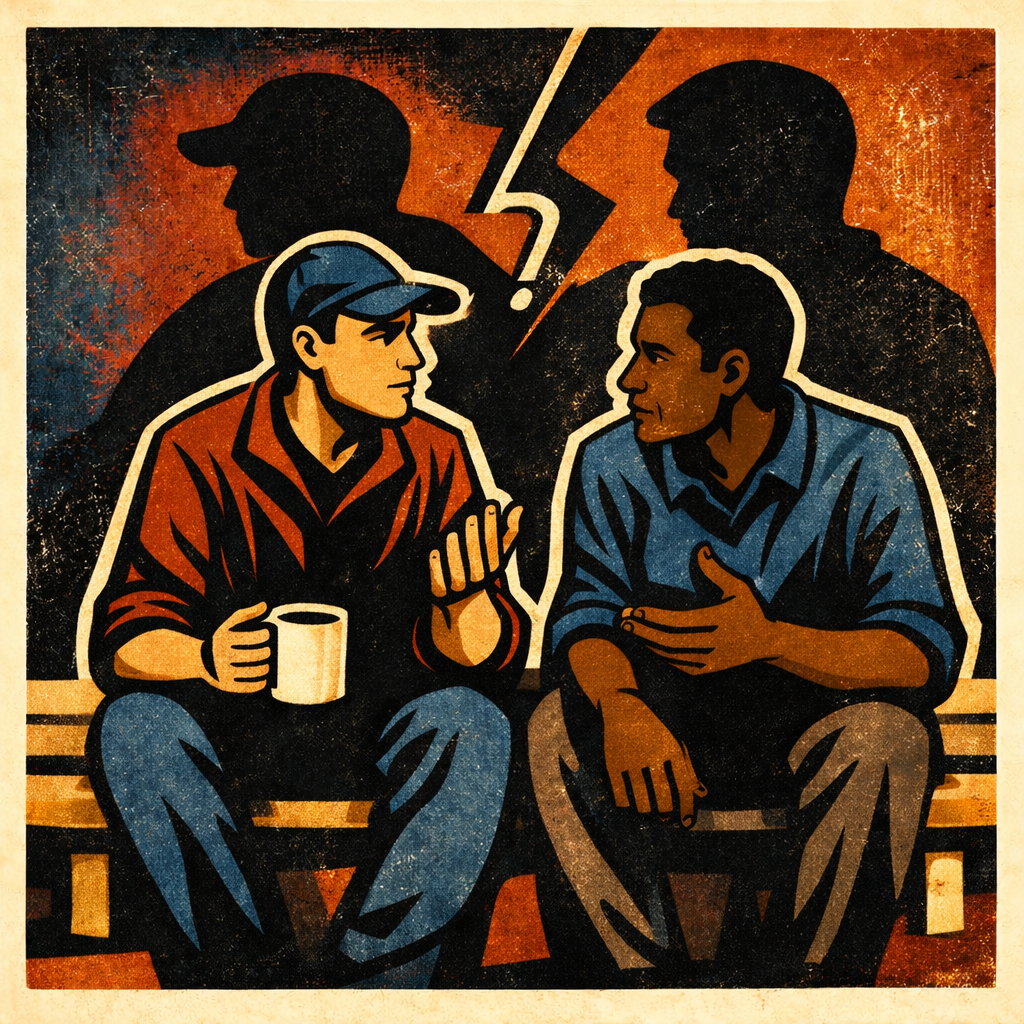
Interpersonal Curiosity as Relational Infrastructure
Loneliness is not simply the absence of contact; it is the absence of meaningful understanding. Research on interpersonal curiosity suggests that asking better questions—and following up—may be one of the most practical tools for strengthening male friendships.
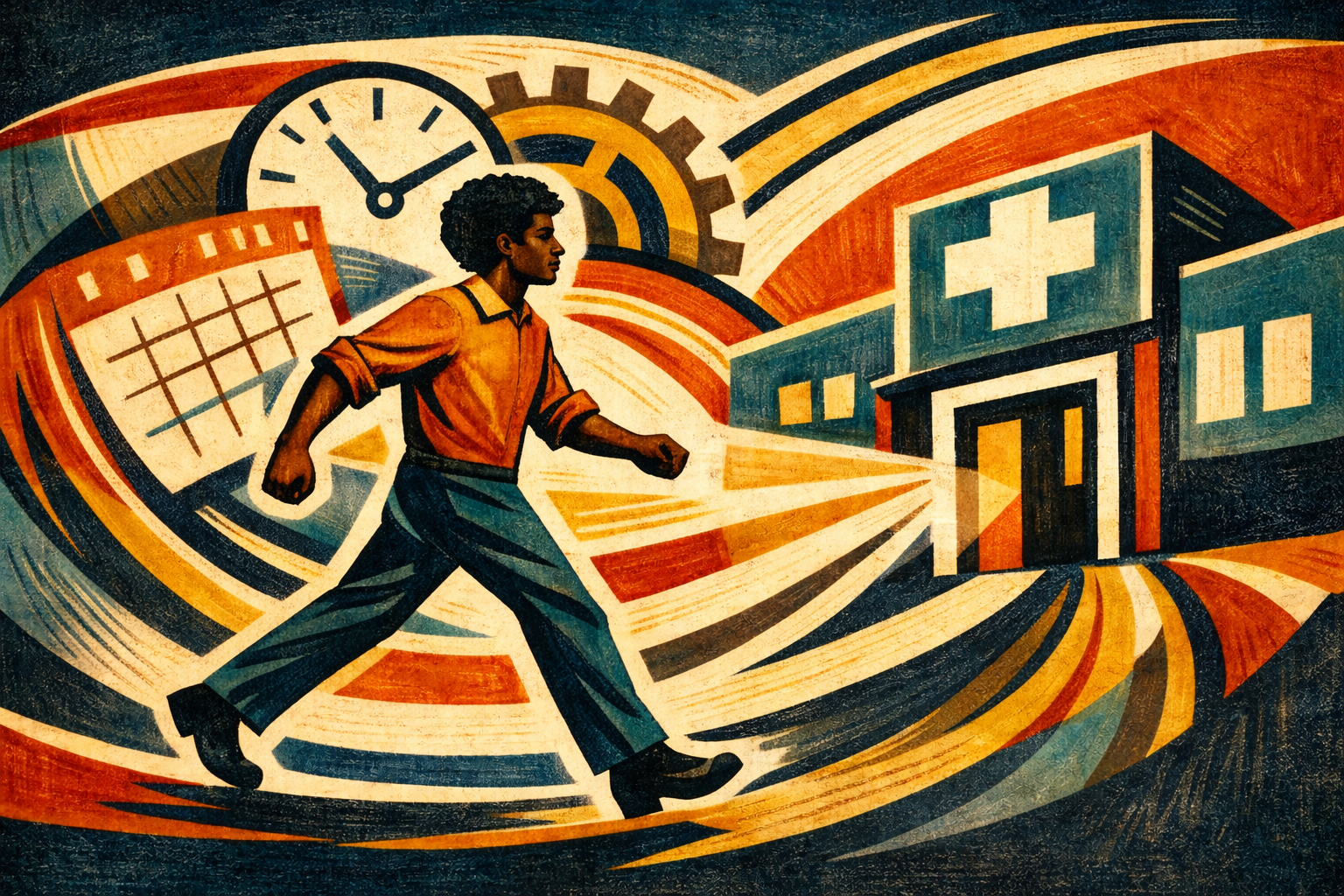
Why Men Need a “Single-Visit” Health Check
Most of the preventive services men need already exist—but they’re scattered across multiple appointments. The Men’s Health Check Bundle reorganizes routine screenings, labs, and conversations into one clearly named, bookable health event. By reducing friction and improving marketing, this single-visit model makes it easier for men to get back into care and stay engaged in preventive health.
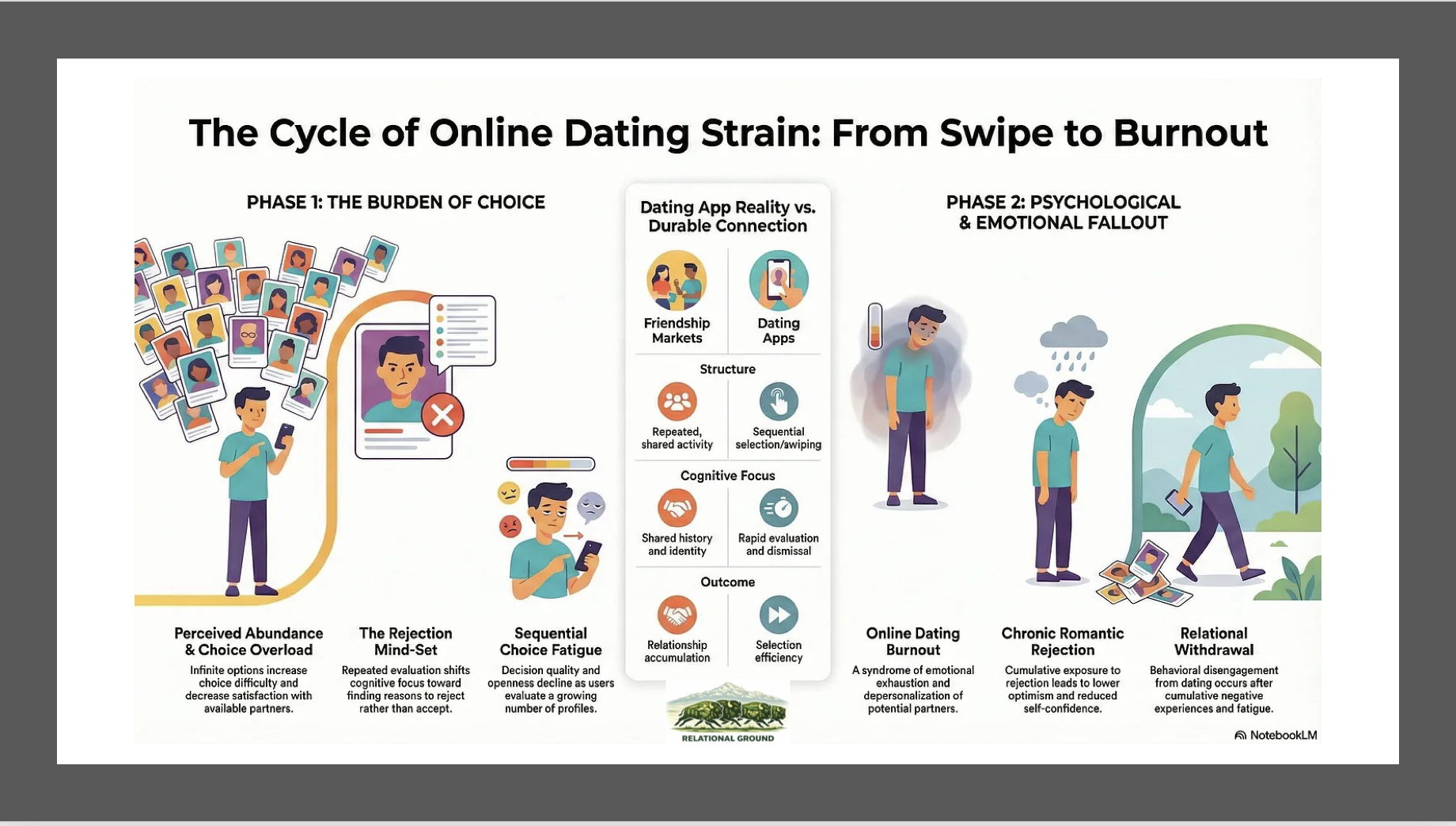
Swipe Fatigue and the Friendship Gap: Why Dating Apps Don’t Fix Men’s Loneliness
Dating apps are not failing because men are broken. They are failing because they are being asked to solve a problem they were never designed to address. Access without infrastructure does not produce connection. If we want to reduce men’s loneliness, we must rebuild the friendship markets that make durable relationships possible.

Individualism Under Constraint
Childlessness in the United States is increasingly common, but rarely experienced the same way. Drawing on national surveys, demographic research, and studies of permanent contraception, this essay examines how Americans are navigating fertility, identity, and permanence in an era shaped by economic insecurity, delayed independence, and policy uncertainty.
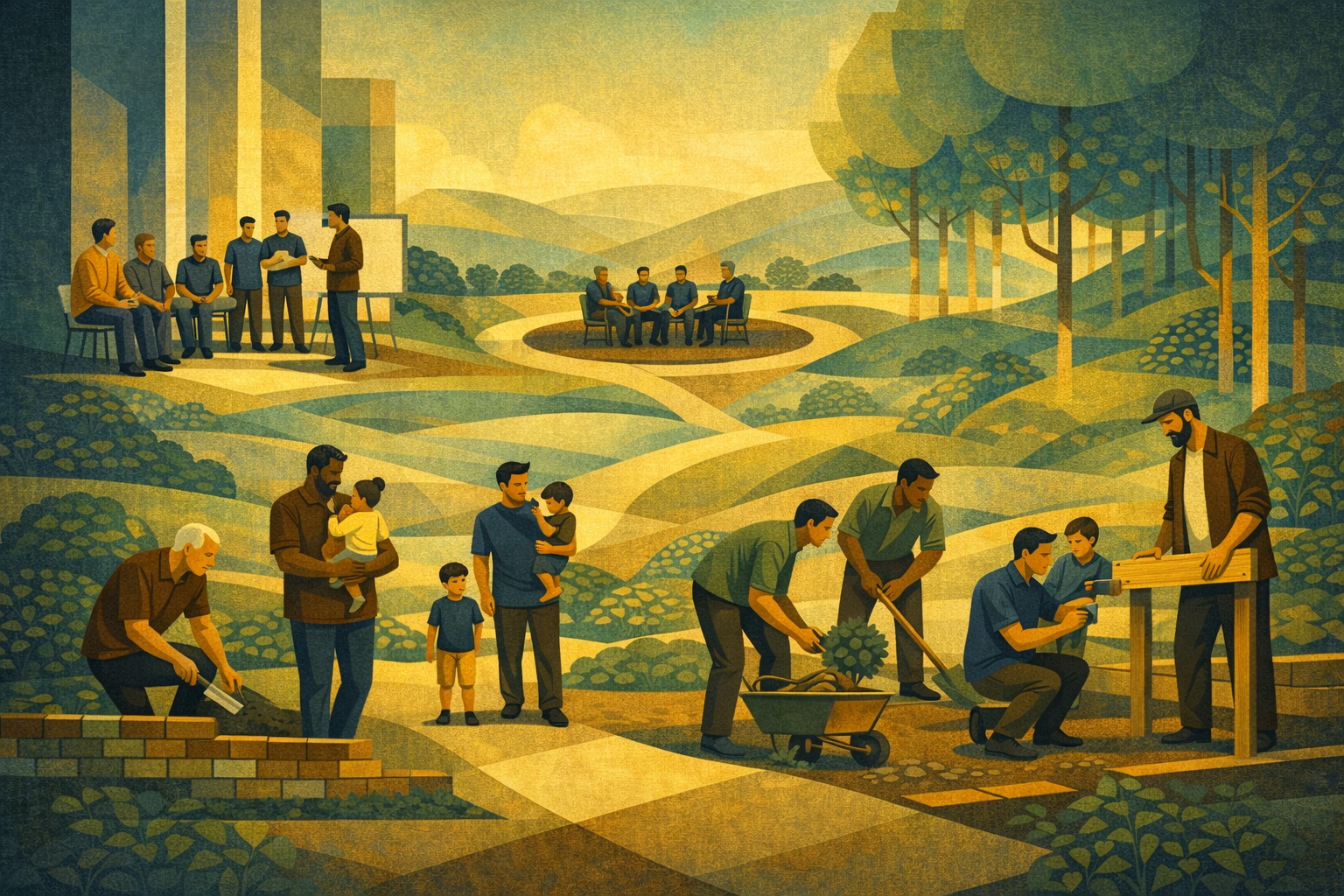
Friendship Markets and the Quiet Crisis of Men’s Connection
This essay explores the idea of “friendship markets” — the social environments that make connection possible — and why those markets collapse for many men in adulthood. Drawing on cultural analysis rather than self-help advice, it argues that men’s loneliness is less about personal failure and more about structural design: workplaces, norms, and institutions that discourage connection. The piece examines how friendship forms through identity, transition, and shared purpose, and highlights legitimate on-ramps into belonging such as training groups, fatherhood cohorts, service teams, and recovery circles. The result is a reframing of men’s isolation as a cultural and infrastructural challenge, not an individual flaw.