
At Relational Ground, Dominick explores how men’s health, relationships, and societal change intersect through stories, research, and global perspectives. This work examines how cultural norms and systemic barriers shape men’s experiences with reproductive health, family planning, and emotional well-being. From global fertility trends to fathers’ roles in sexual health and the NFL’s platform for men’s health, Relational Ground challenges outdated narratives and offers practical solutions. Its relational approach emphasizes connection—between partners, families, communities, and health systems—as a catalyst for stronger public health and healthier lives. Click the link to visit the Relational Ground Substack. Exemplary blogs are shared below. 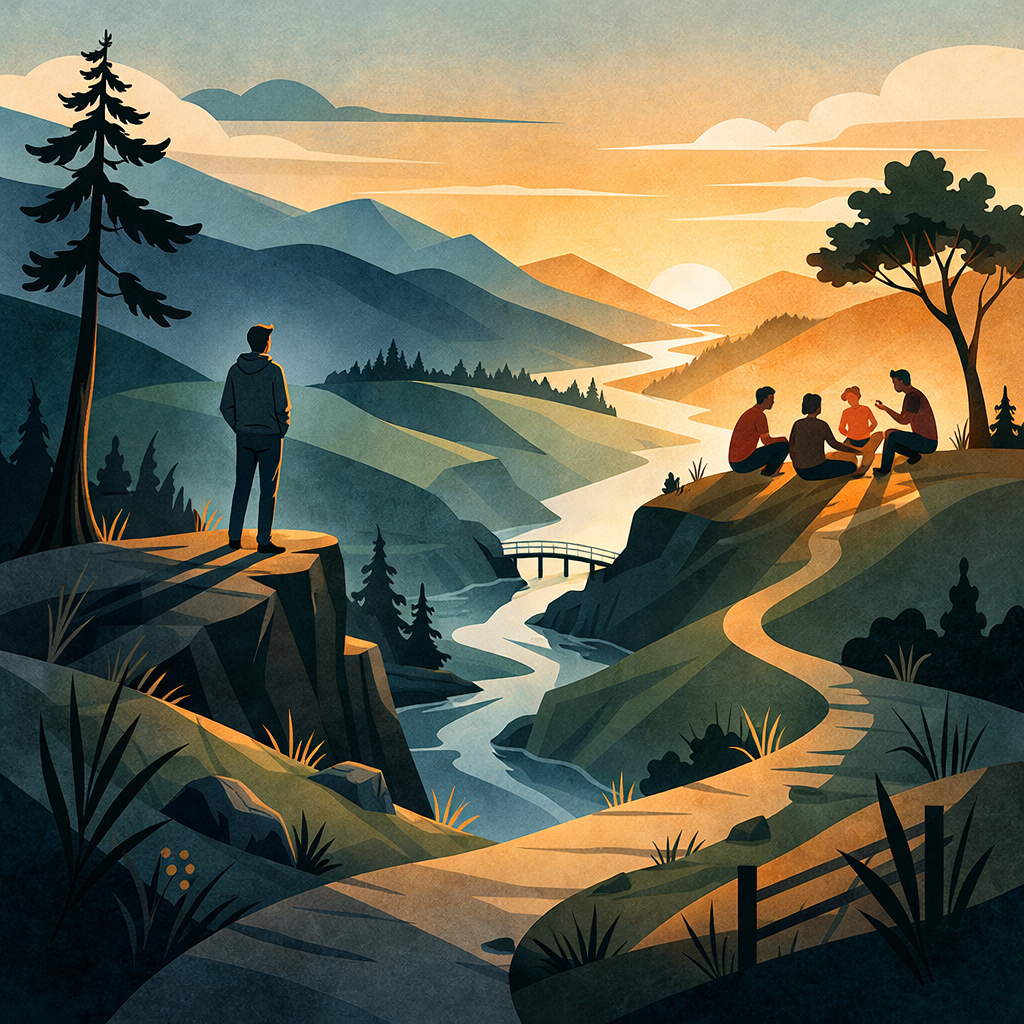
Yes, The Manosphere Documentary Matters, But What Matters More?
The manosphere isn’t just an internet subculture—it’s filling a gap. This piece explores why the documentary matters, and why the deeper issue is men’s search for connection and belonging.
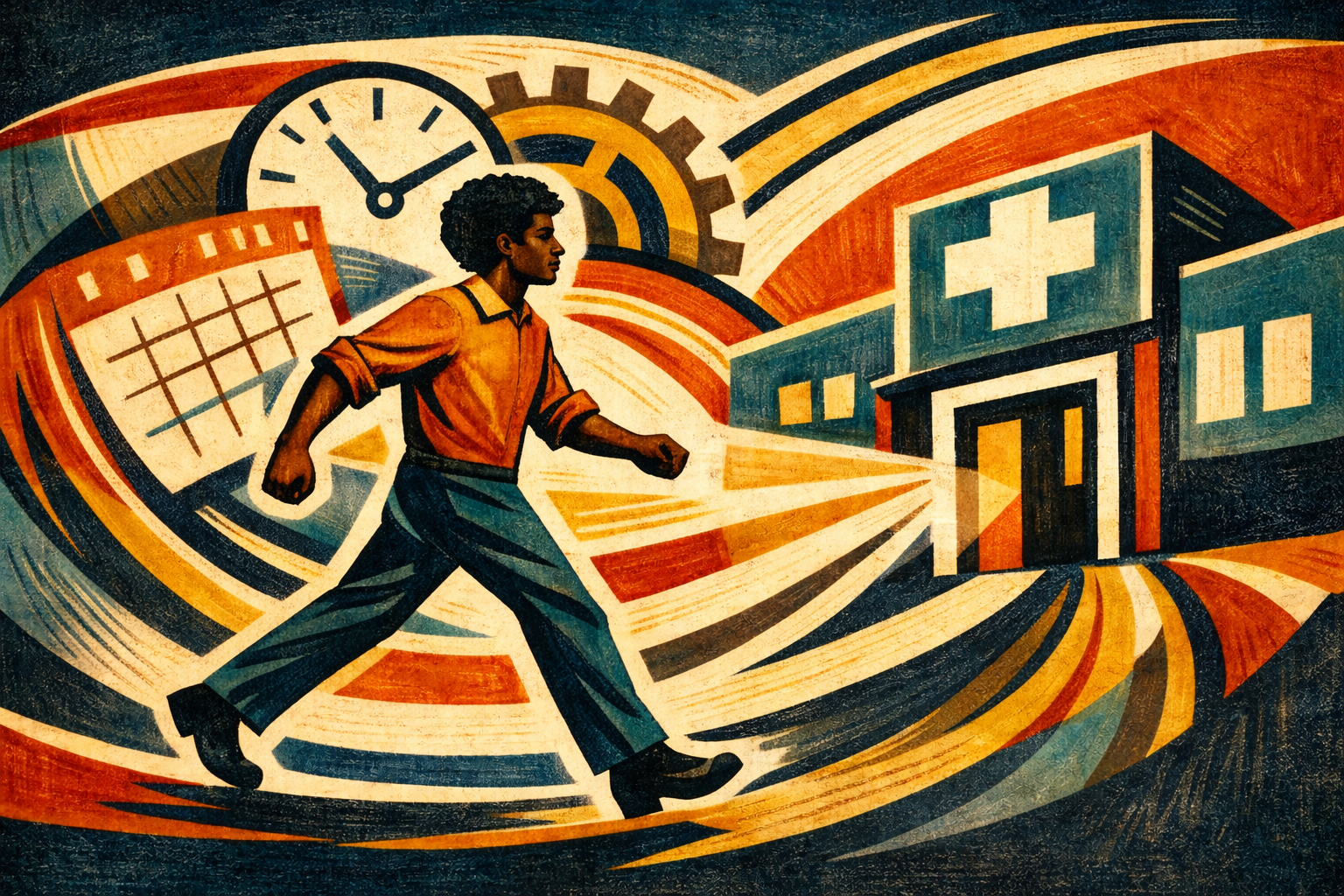
Why Men Need a “Single-Visit” Health Check
Most of the preventive services men need already exist—but they’re scattered across multiple appointments. The Men’s Health Check Bundle reorganizes routine screenings, labs, and conversations into one clearly named, bookable health event. By reducing friction and improving marketing, this single-visit model makes it easier for men to get back into care and stay engaged in preventive health.
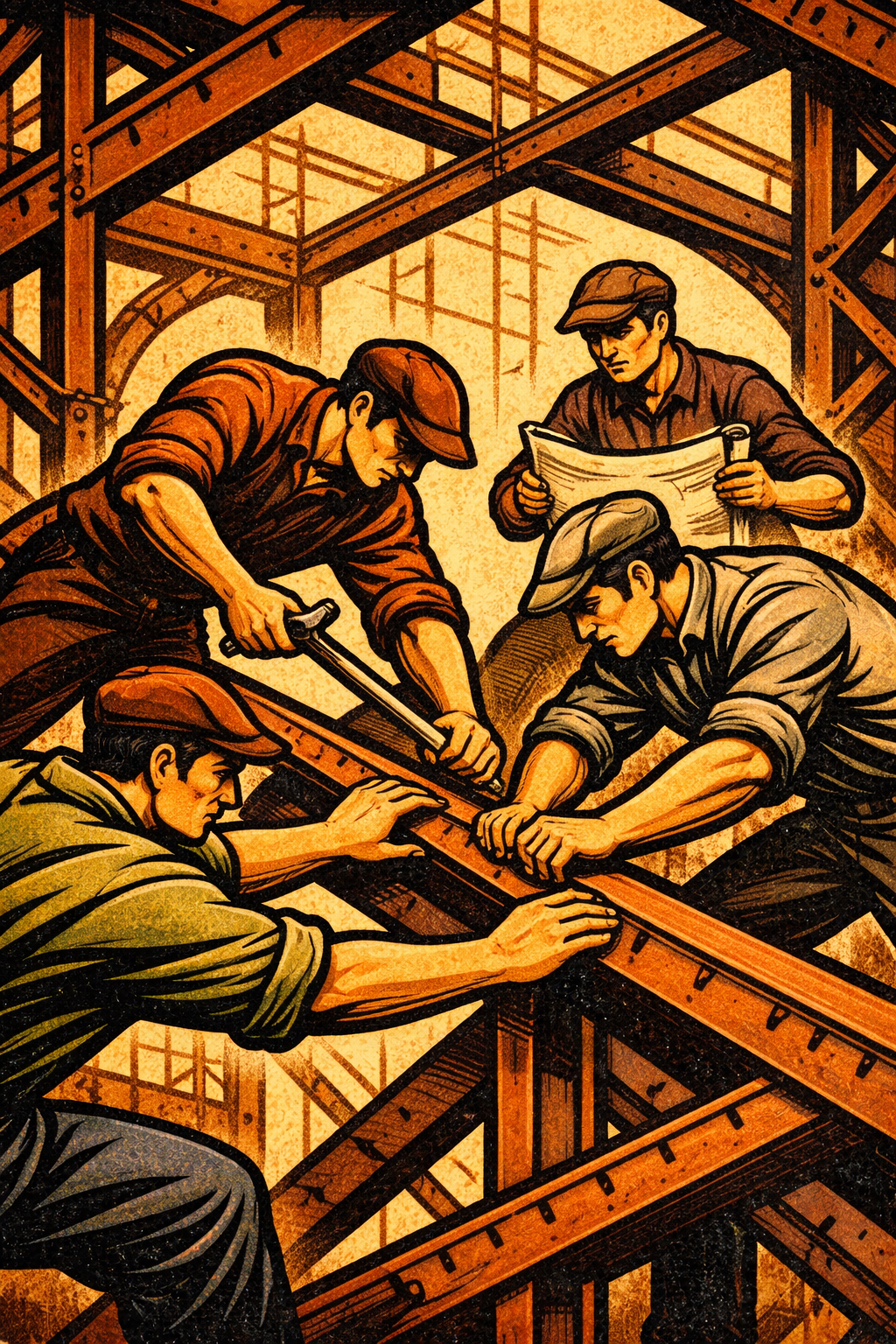
The Collapse of Workplace Friendship
For many men, work quietly provided the conditions that made friendship possible: repeated interaction, shared purpose, and low-stakes proximity. As remote work, turnover, and hustle culture thin those conditions, connection doesn’t disappear overnight. It becomes harder to start and easier to lose. What we’re calling a loneliness crisis is, in part, the collapse of work as a place to belong.
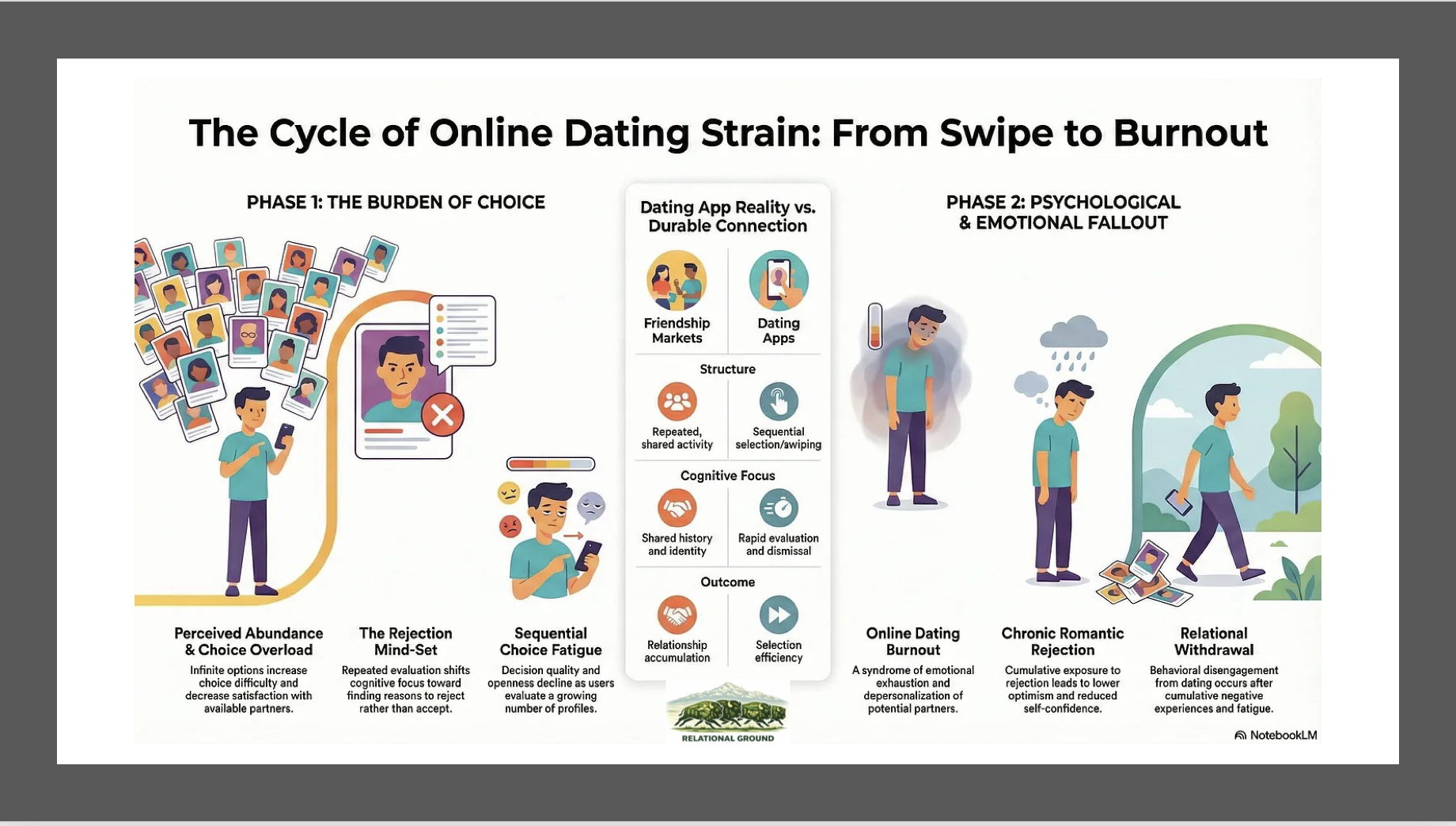
Swipe Fatigue and the Friendship Gap: Why Dating Apps Don’t Fix Men’s Loneliness
Dating apps are not failing because men are broken. They are failing because they are being asked to solve a problem they were never designed to address. Access without infrastructure does not produce connection. If we want to reduce men’s loneliness, we must rebuild the friendship markets that make durable relationships possible.

The Testosterone Economy and the Appeal of Simple Answers
Men aren’t chasing testosterone. They’re chasing certainty. In a health system that often says “wait and see,” the testosterone economy offers a clear label, a defined pathway, and a sense of legitimacy—revealing not a failure of men, but a failure of care design.

Individualism Under Constraint
Childlessness in the United States is increasingly common, but rarely experienced the same way. Drawing on national surveys, demographic research, and studies of permanent contraception, this essay examines how Americans are navigating fertility, identity, and permanence in an era shaped by economic insecurity, delayed independence, and policy uncertainty.
Men’s Holiday Check-In Guide
The holidays can be a meaningful time to reconnect—but also a time when some men struggle quietly. This guide offers a relational, low-pressure way to check in with the men in your life through everyday moments and casual conversations. Simple prompts, small gestures, and gentle follow-ups can make the season feel more connected and supportive.
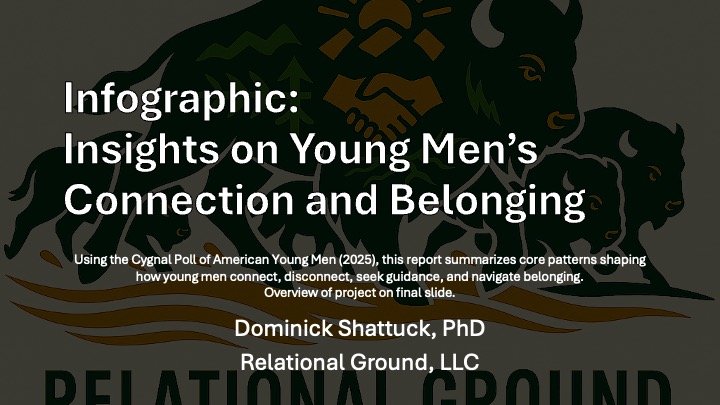
Infographic: Insights on Young Men’s Connection and Belonging
• “Up to 40% of young men now belong to no organized group. Belonging is breaking down—and the data shows why.”
• “Digital spaces aren’t replacing community for young men. They’re the only community many have left.”
• “Peer invitations work. Adult outreach doesn’t. Recruitment is relational—not institutional.”
• “The least connected young men aren’t disinterested—they’re under-supported. Context, not character.”
• “To rebuild belonging, start small: peers doing something together.”
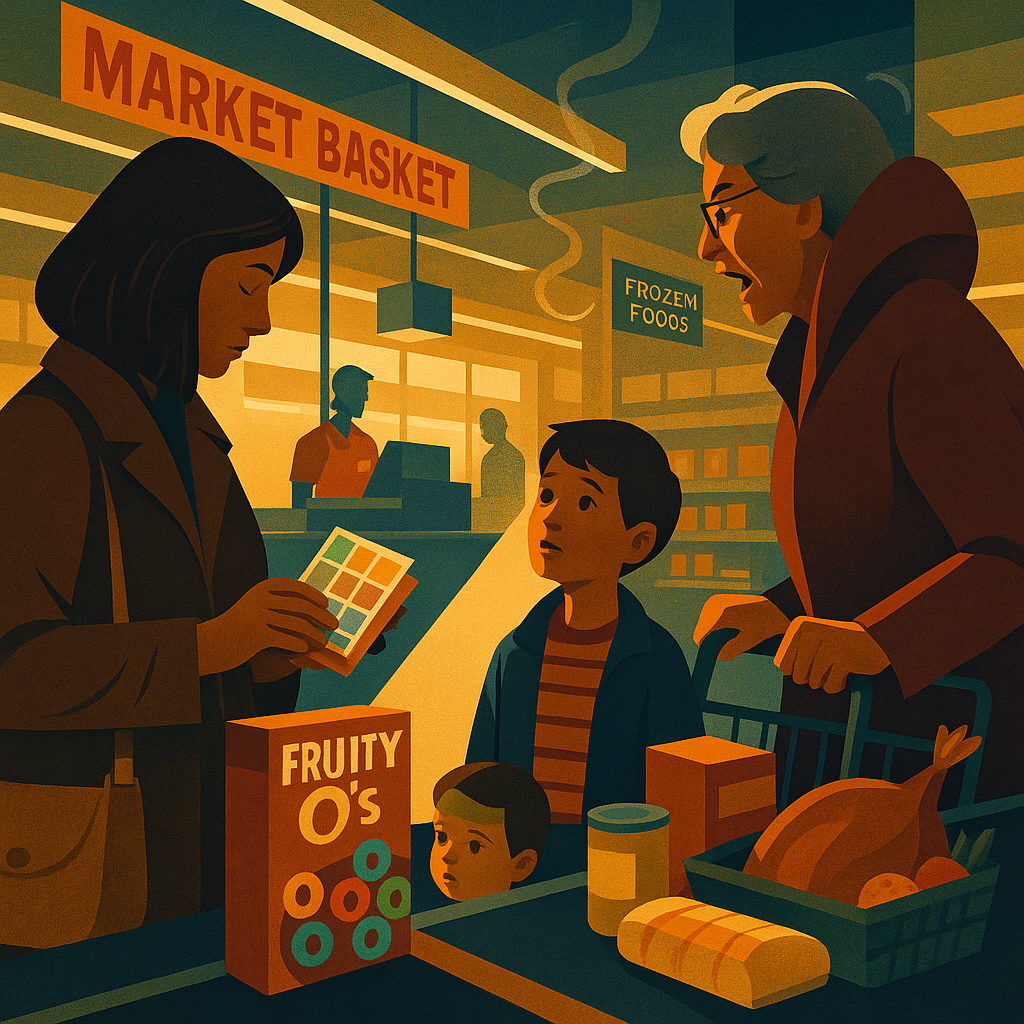
Growing Up in the Gray Area of Need
This essay looks back at the “gray area of need” I grew up in—where food assistance programs kept us afloat, but stigma shaped my identity. It’s a story about SNAP, shame, and how childhood poverty continues to shape my work in men’s health and relational masculinity.