
At Relational Ground, Dominick explores how men’s health, relationships, and societal change intersect through stories, research, and global perspectives. This work examines how cultural norms and systemic barriers shape men’s experiences with reproductive health, family planning, and emotional well-being. From global fertility trends to fathers’ roles in sexual health and the NFL’s platform for men’s health, Relational Ground challenges outdated narratives and offers practical solutions. Its relational approach emphasizes connection—between partners, families, communities, and health systems—as a catalyst for stronger public health and healthier lives. Click the link to visit the Relational Ground Substack. Exemplary blogs are shared below. 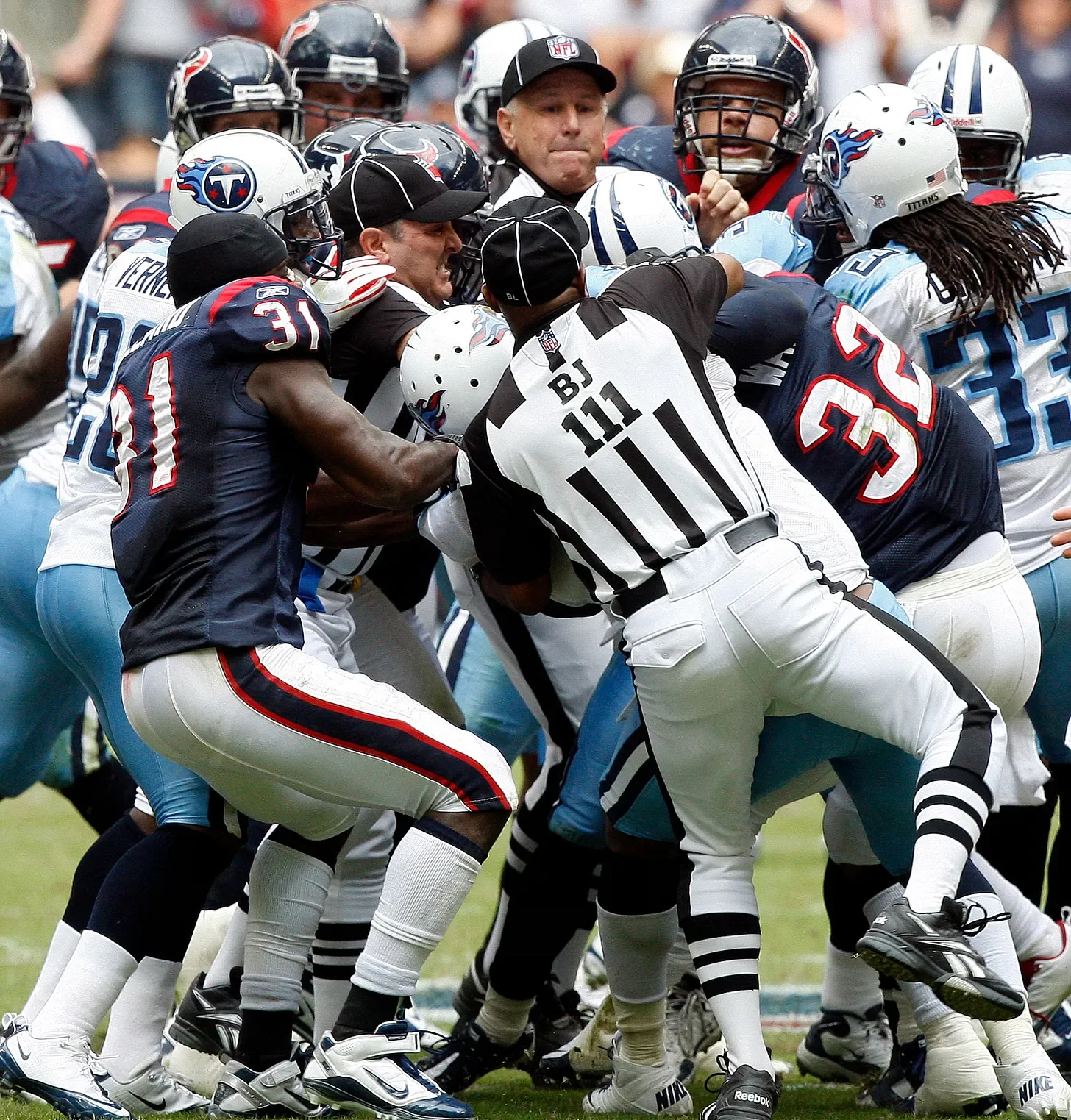
Personal Fouls and Personal Growth
Thinking about how this would play out in the most widely accepted violent context of our culture is an exercise for our own lives, too.

Finding Home in the Music David Byrne and the Talking Heads
David Byrne's music has been the backdrop of my life, carrying me through airports, long trips abroad, and pivotal life moments. His 2025 tour revealed how songs about home, curiosity, and connection can challenge traditional masculinity and celebrate joy as a form of resistance.

Peacemaker: A Superhero’s Struggle as a Mirror for Men Today
Beneath the surface, Peacemaker reflects the complexities of modern masculinity—torn between bravado and the longing for real connection.
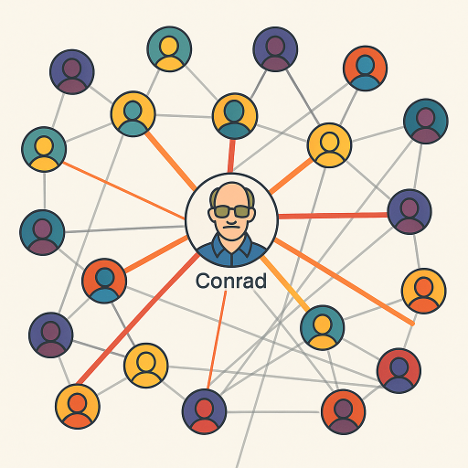
Being Conrad!
The people we grow closest to are often those we encounter repeatedly, in spaces where familiarity builds and trust grows. Proximity shapes who we connect with and how these relationships develop over time—especially for men, who often have fewer close friendships as they age.
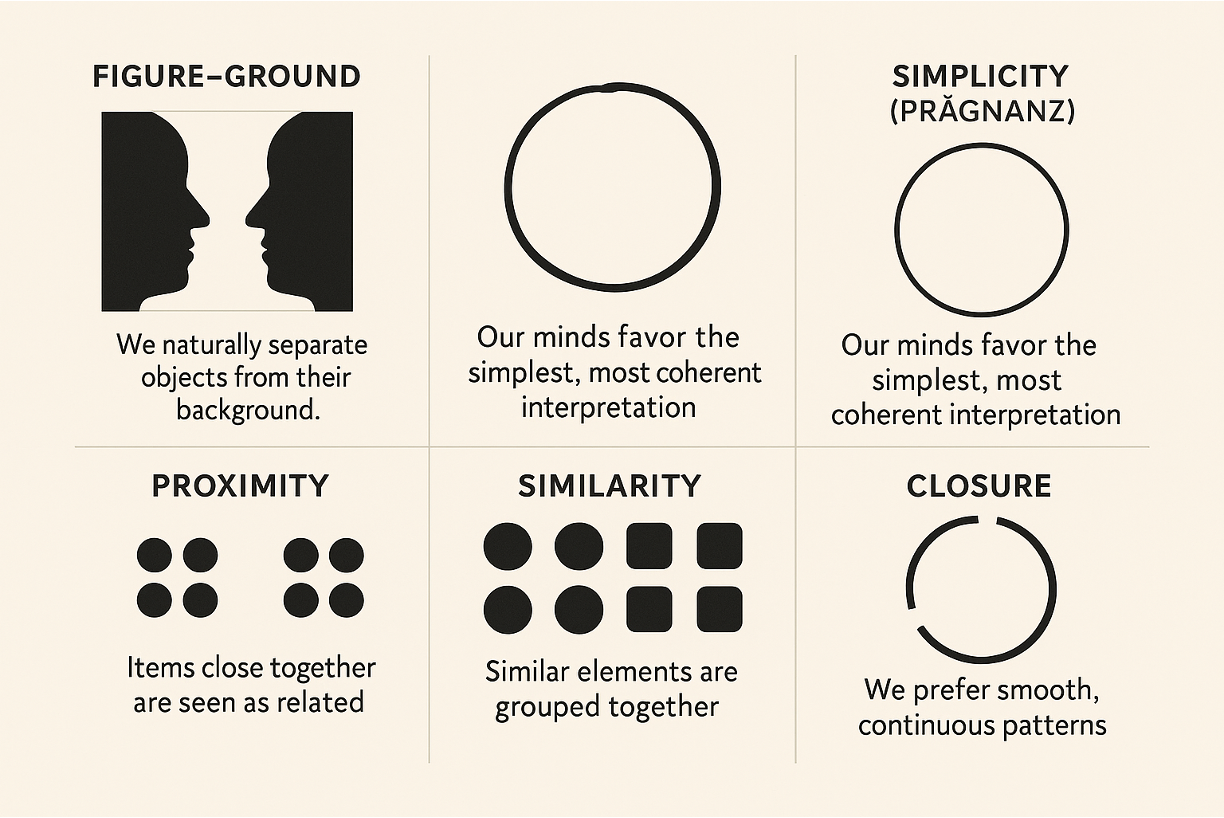
Why Gestalt Psychology and the Relational Ground?
Gestalt psychology reminds us that we don’t experience life as fragmented pieces but as unified, meaningful wholes. In our relational lives, this means that connection, belonging, and emotional resonance aren’t extras — they are foundational. When we pay attention to how people perceive each other, group through shared values and proximity, and feel a sense of closure in our interactions, we begin to heal the disconnection that often isolates us. Reconnection isn’t just possible — it’s built into the way we’re wired.

The Great Lock-In – for Men’s Health
Too often, men are trapped by unwritten rules that prevent seeking care, expressing vulnerability, or accessing support—these invisible chains undermine health long before symptoms appear.
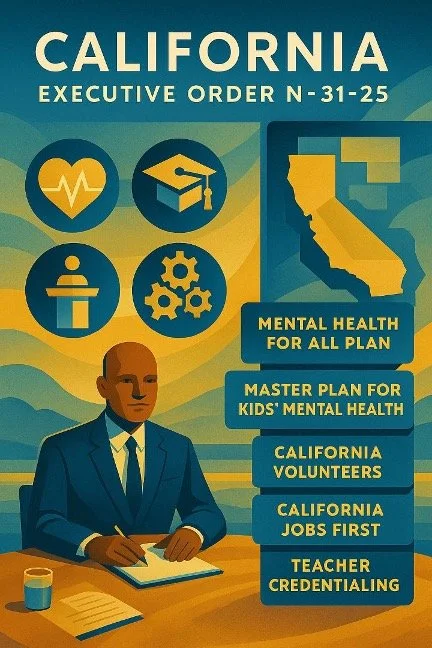
A Relational Framework for State-Level Men's Health & Wellness Proposals
When a relational framework is applied to health, the focus shifts from isolated behaviors to the quality of connection—between individuals, families, communities, and broader systems that shape experiences.
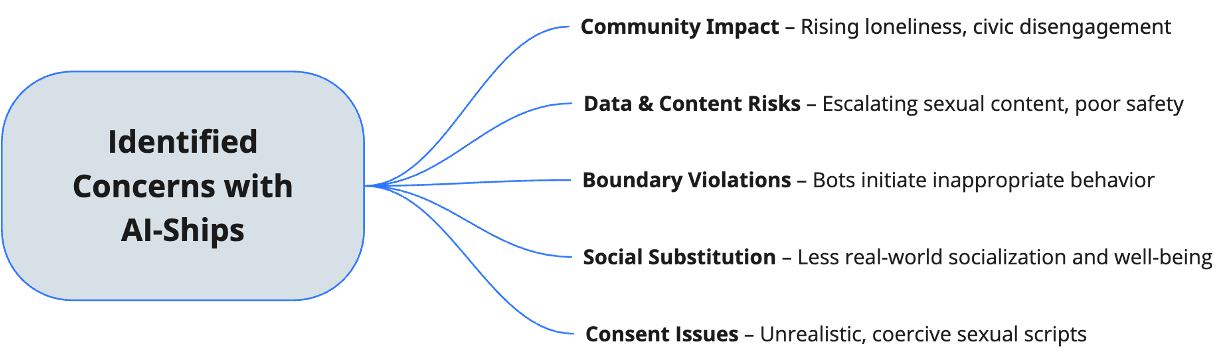
What’s Does the Recent Research Say about AI-Ships?
Recent research is revealing a shift in how men engage with reproductive health — from increased interest in male contraceptive options to greater awareness of how gender norms and social expectations shape health behaviors. These findings underscore that improving wellness means not just new medical tools, but also changing the conversations and systems around them.

More Than Supportive
True support isn’t just about being present—it’s about showing up with intention, sharing the load, and shaping relationships where emotional openness and shared responsibility become the norm.

Beyond the Algorithm
Algorithms offer convenience but often flatten experience—what’s missing is the relational thread: the conversations, support, and vulnerability that can’t be coded but deeply matter.