
At Relational Ground, Dominick explores how men’s health, relationships, and societal change intersect through stories, research, and global perspectives. This work examines how cultural norms and systemic barriers shape men’s experiences with reproductive health, family planning, and emotional well-being. From global fertility trends to fathers’ roles in sexual health and the NFL’s platform for men’s health, Relational Ground challenges outdated narratives and offers practical solutions. Its relational approach emphasizes connection—between partners, families, communities, and health systems—as a catalyst for stronger public health and healthier lives. Click the link to visit the Relational Ground Substack. Exemplary blogs are shared below. 
Yes, The Manosphere Documentary Matters, But What Matters More?
The manosphere isn’t just an internet subculture—it’s filling a gap. This piece explores why the documentary matters, and why the deeper issue is men’s search for connection and belonging.
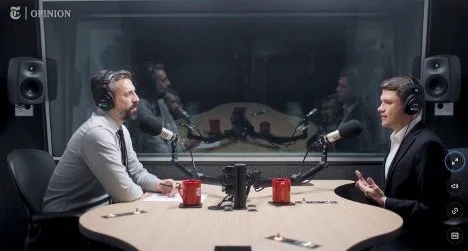
Relational Masculinity in Public
Taken together, Talarico models a form of masculinity that is accountable rather than authoritarian, humble rather than domineering, and rooted in relationship rather than fear. What makes this posture especially relevant is not its theological specificity or political context, but its implications for men’s health and belonging.
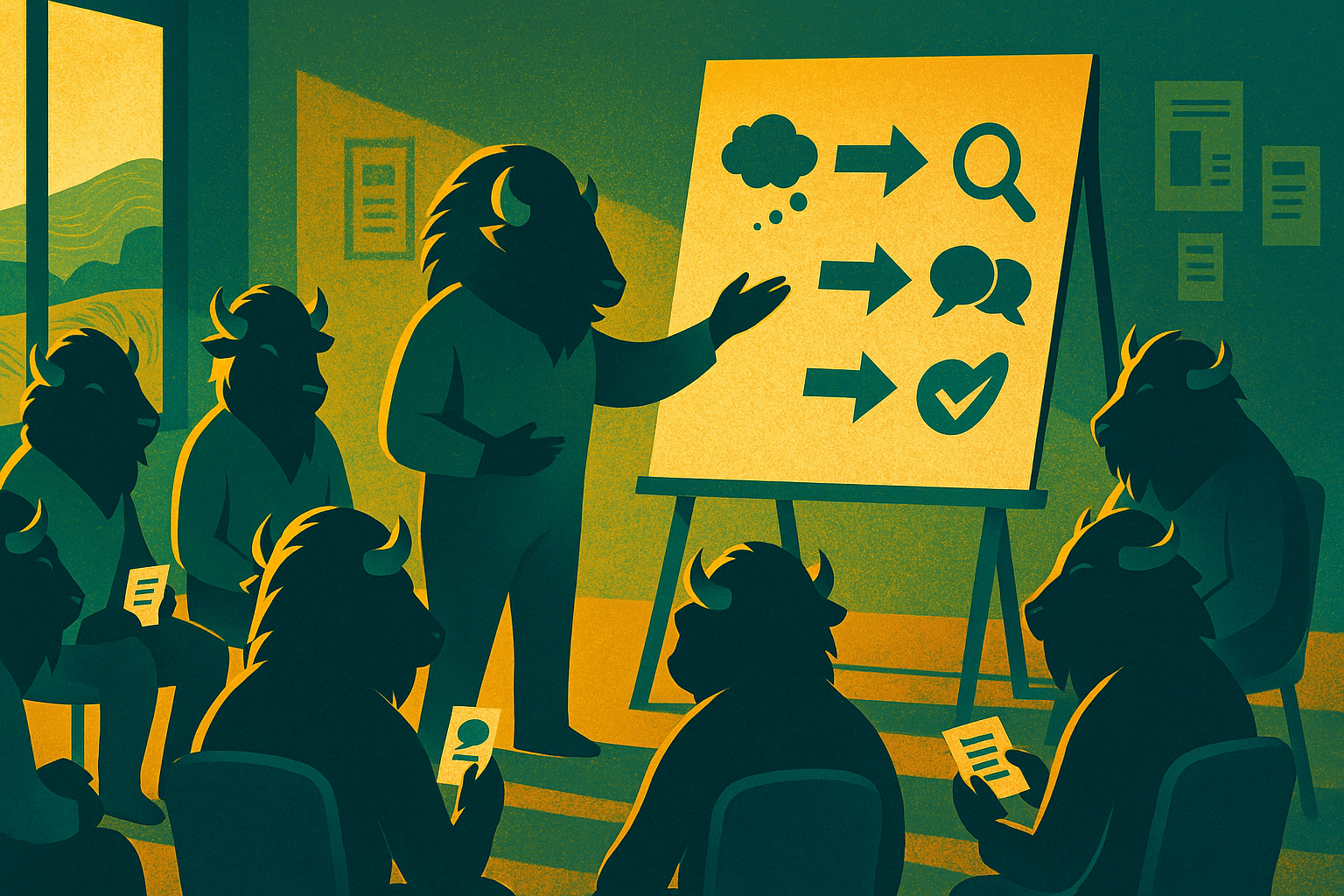
From Talk to Transfer
By consolidating ten male-engagement curricula into an implementation-ready learning sequence (RAST) with explicit safeguards, artifacts, and service linkages, this paper moves the field from attitude change to behavioral transfer. It operationalizes men’s own health-seeking—especially in SRH—through rehearsable micro-skills and measurable clinic pathways, yielding generalizable design standards that enhance effectiveness, external validity, and participant safety (autonomy, confidentiality, GBV risk mitigation).
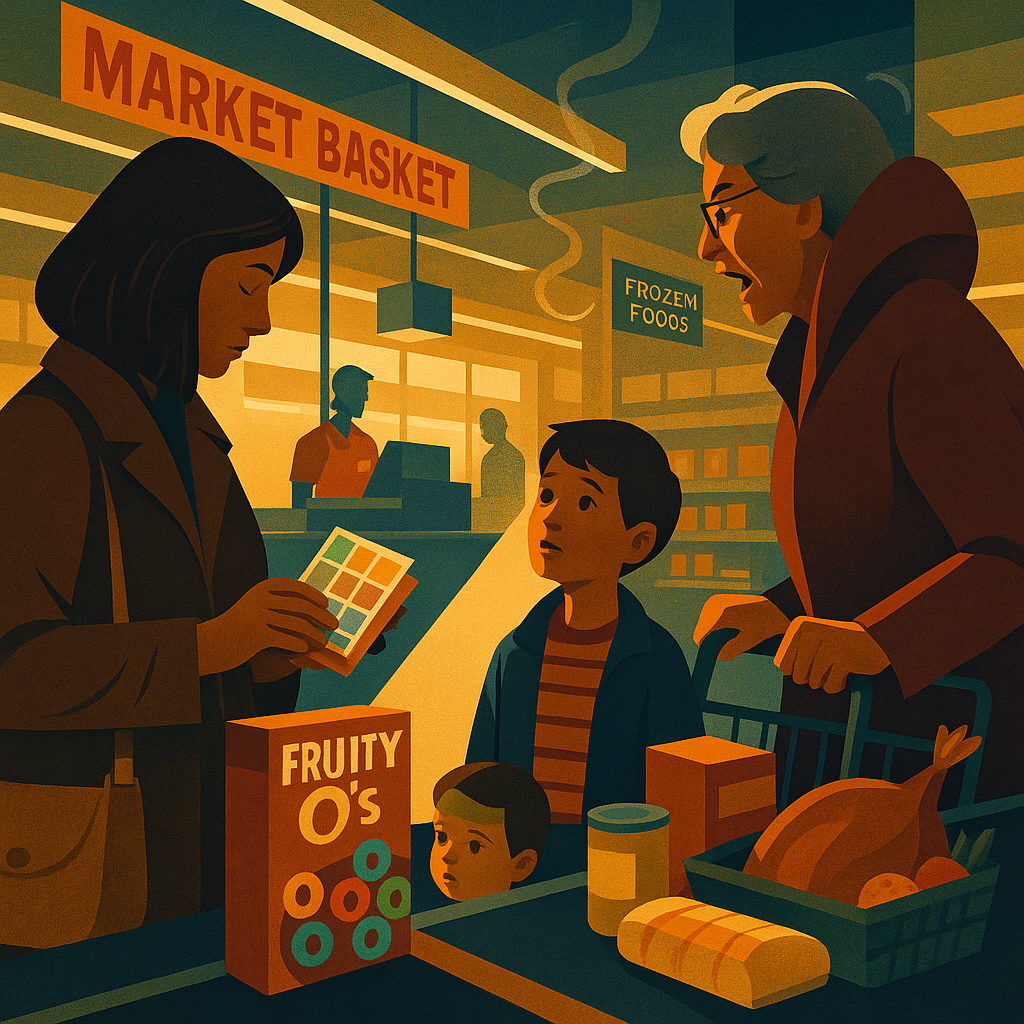
Growing Up in the Gray Area of Need
This essay looks back at the “gray area of need” I grew up in—where food assistance programs kept us afloat, but stigma shaped my identity. It’s a story about SNAP, shame, and how childhood poverty continues to shape my work in men’s health and relational masculinity.

BB Guns & Lessons About Health Seeking
That sentence, spoken through fear, was the earliest echo of a pattern I’ve seen in myself and in many men: the reflex to minimize, to endure, to avoid vulnerability. These traits can be helpful in certain situations, but sometimes they are just stupid. Especially when they limit men or boys from getting the care they need.
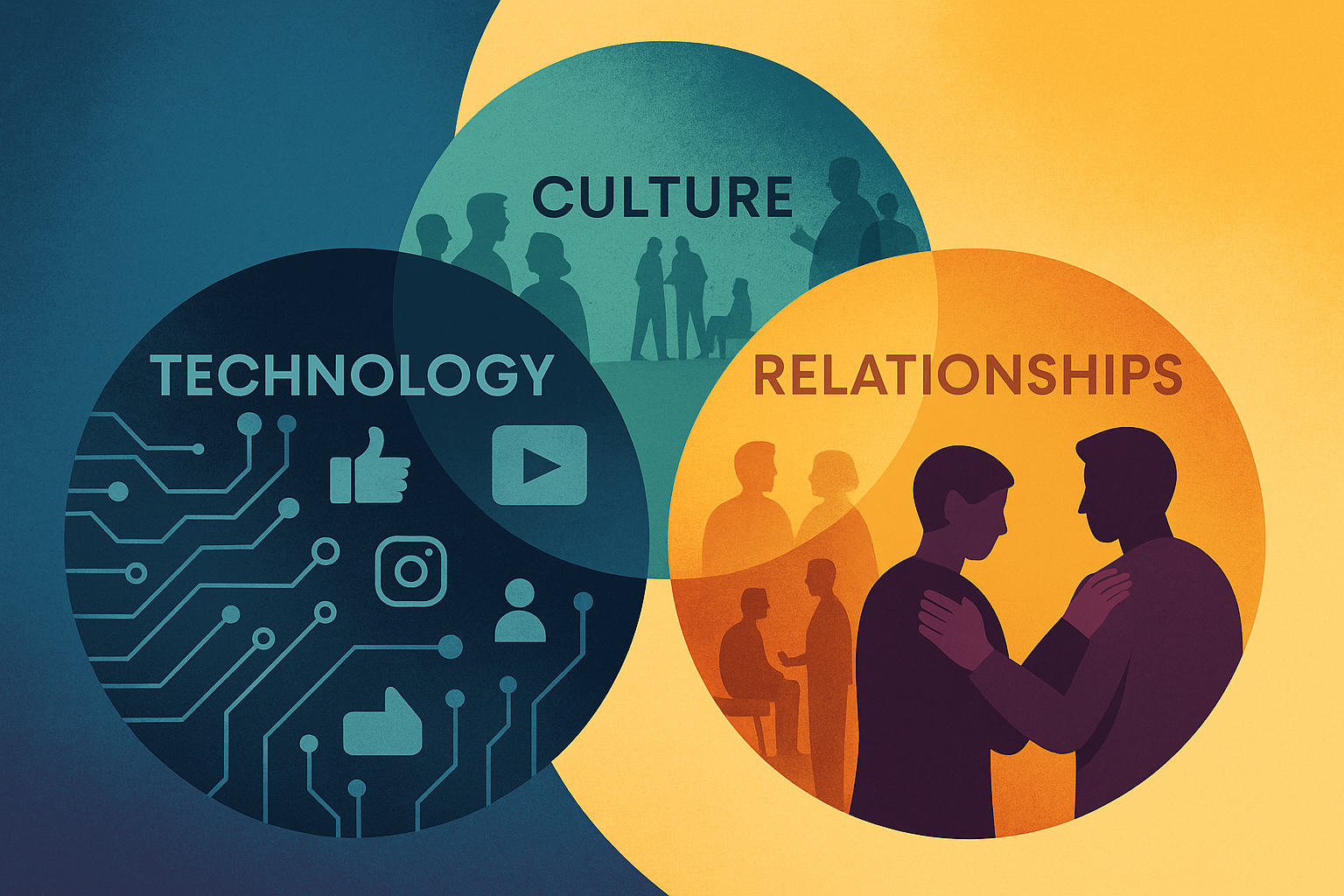
Reclaiming the Scroll
When a young man opens YouTube or TikTok, he’s not just scrolling; he’s being socialized. … The content we see, the outrage that keeps us scrolling, and the reinforcement of identity-based narratives all operate inside a black box.
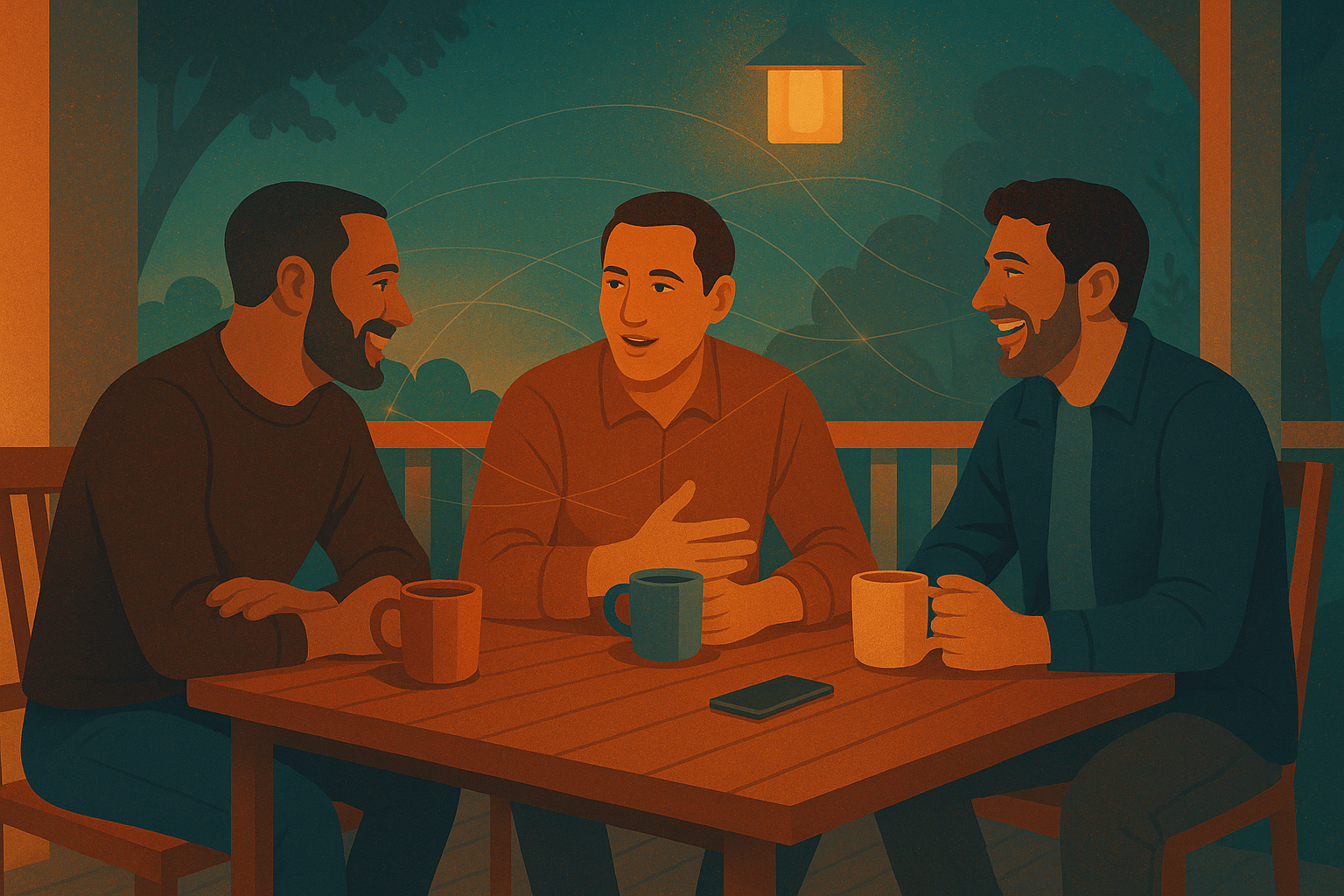
The Perception Gap: What Men Get Wrong about Each Other and Health
Men don’t reject care—they hesitate because they’ve learned that vulnerability feels dangerous. That hesitation, multiplied across millions of interactions, becomes a cultural pattern.

From Bowling Alone to Digital Belonging
A generation after Robert Putnam’s Bowling Alone warned of civic decline, Gen Z is rebuilding belonging online. From Discord servers to Reddit micro-communities, young people are finding new forms of connection that mirror yesterday’s bowling leagues—while facing new risks of isolation. This blog explores how digital micro-spaces can help young men and women foster purpose, vulnerability, and mentorship in a disconnected age.