Why Men Need a “Single-Visit” Health Check
And how it should be marketed
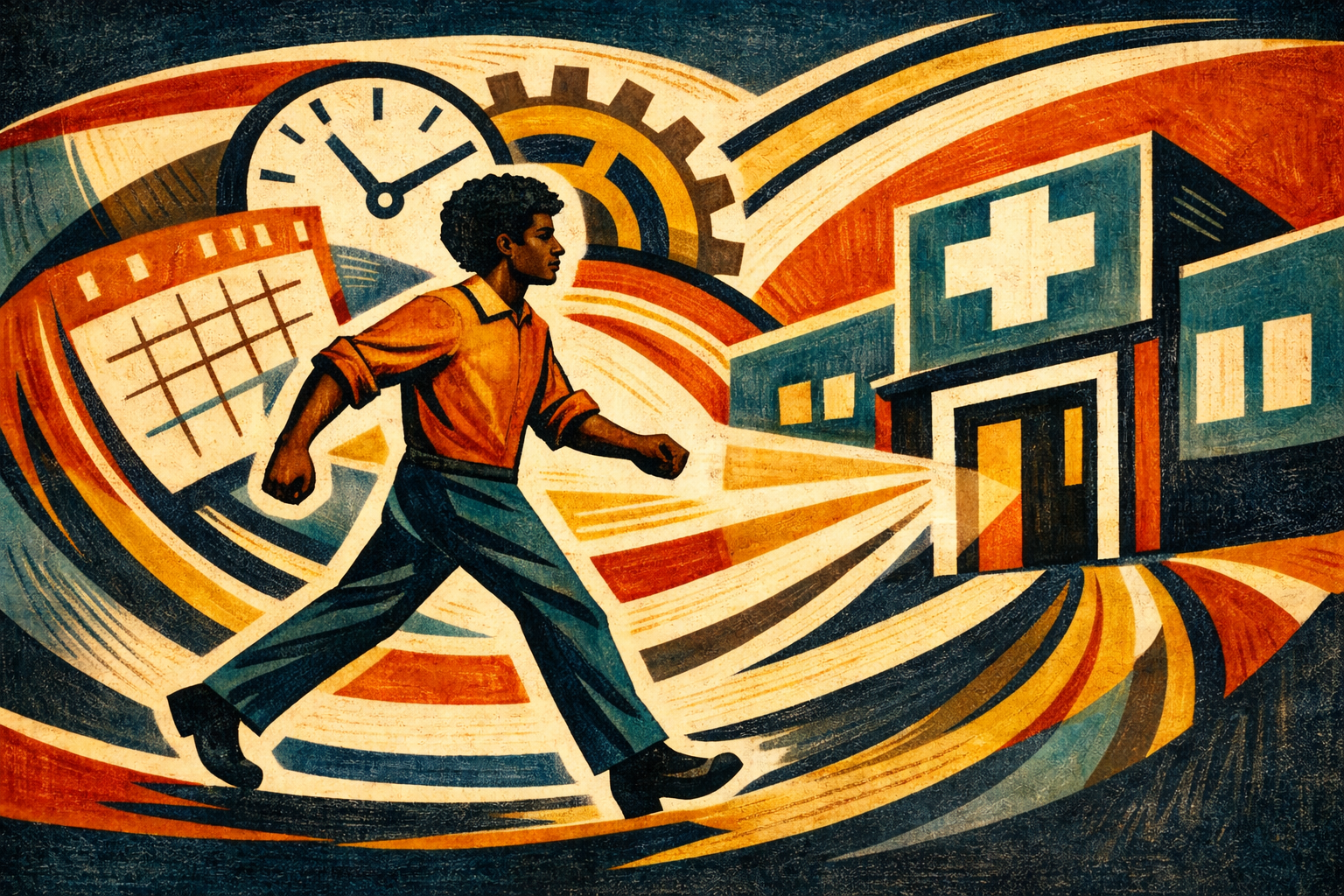
I didn’t plan to start the year thinking about my colon and my calendar, but that’s where I ended up.
Early in 2026, I started having some bowel issues. Like a lot of men, my first instinct was to wait it out and see if things settled on their own. When they didn’t, I finally picked up the phone. While I was scheduling the visit, the clinic reminded me I was also a few months overdue for my annual checkup, so we rolled everything into one appointment.
The visit itself was surprisingly straightforward. Given the symptoms, I had braced for something invasive or embarrassing. Instead, it was quick, mostly conversation and a basic exam. The real complexity began on my way out. I left with a stack of papers and a to-do list: identify a dermatologist in-network and schedule a full-body check, come back for my second shingles shot, and find time for fasting blood draw to check my lipids and other labs. Before I could schedule the three additional appointments, I got a bill for $267.09 for that “simple” visit.
I work in health behavior change and policy. I think about access and utilization of health care all the time. And even for me, someone who studies this space, and has decent insurance, and is comfortable in medical settings, the process felt fragmented, time-consuming, and more expensive than I expected. For many men, this is the point where they quietly drop off: they get through one visit, then the referrals and follow-ups start to pile up, and life wins.
Zooming out from one person’s experience, the pattern becomes hard to ignore. Men, on average, die younger than women and carry a higher burden of many preventable conditions such as heart disease, certain cancers, substance use disorders, and suicide (White et al., 2023). Yet men are also less likely to have a regular source of care, less likely to attend annual wellness visits, and less likely to receive routine mental health support (Leone et al., 2016; Mursa et al., 2022). The result is a familiar but stubborn story: conditions that could have been detected early are often found late, and opportunities for prevention are missed.
The COVID-19 pandemic didn’t help. Even as clinics reopened and insurance rules expanded preventive care coverage, national data show that wellness visits and core screenings—blood pressure, cholesterol, blood sugar, and several common cancers—still haven’t fully returned to pre-pandemic levels (Alba et al., 2024). The drop-off hasn’t been evenly distributed across men, either. For some racial and ethnic minority groups, routine checkups the drop is deeper, on top of already higher rates of chronic illness and barriers to care. In short, the men who most need the shortest runway back to care are often the ones who are farthest from it.
Against this backdrop, I've been thinking about how this experience might benefit from better coordination and marketing. I am referring to it as the "Men’s Health Bundle". Instead of asking men to navigate a fragmented set of appointments and orders, the bundle manages prevention as a simple, consumer-grade package: a clearly signposted visit (or tight set of visits) and a way of marketing that visit as a single, named health event. From the outside, it would be introduced to be as straightforward as booking an oil change or a tire rotation—one product, one appointment, with a clear explanation of what you’re getting and why it matters. The difference is that this “product” is built from evidence-based tests and conversations that are already recommended in clinical guidelines and already covered in most benefit designs.
Below, I focus on the packaging and positioning of the Men's Health Bundle. The clinical ingredients of a good men’s health check—blood pressure, lipids, diabetes screening, mental health screening, sexual and reproductive health, age-appropriate cancer screening—are not new. What’s new is the decision to reorganize them coherently, clarify their name, and promote the experience as an easy on-ramp back into care. In that sense, the Men’s Health Bundle builds on familiar national “men’s health checklists” used in clinics, workplaces, and community campaigns, but takes them one step further: instead of a loose list of tests that men are expected to piece together on their own, it becomes a single, marketed visit that men can actually book.

Reasons Why Men Struggle to Get in the Door
We often joke that men avoid doctors because they’re stubborn or lazy. The evidence paints a more complicated picture. Men’s decisions about when and how to seek help are shaped by gender norms, the way services are organized, and an emotional calculus about risk, embarrassment, and control (Addis & Mahalik, 2003; Evans et al., 2011; Seidler et al., 2016; Mursa et al., 2022).
Masculine norms play a major role. From a young age, many boys and men learn that being “strong” means tolerating pain, handling problems alone, and not appearing vulnerable. Going to the doctor, especially for something that is not yet a crisis, can feel like the opposite of that script. That pressure to “tough it out” can delay care, turn manageable issues into emergencies, and make preventive visits feel optional rather than expected.(see footnote
||FOOTNOTE: This behavior is hardly exclusive to men. What we know about other masculine norms closely aligned with "being a strong man" (e.g., limited emotional intimacy with men and stoicism) limit men's social engagement and support network, which also has significant negative impacts on overall health and wellbeing. This is why I highlight them so often in my writing.||
Structural barriers compound those norms. A lot of men work in jobs with limited flexibility, unpredictable hours, or no paid sick time. Taking half a day off for a checkup can mean lost wages, jeopardized shifts, or extra strain on family responsibilities. Add in transportation challenges, confusing portals and insurance rules, and the perception that clinics are built for acute problems, “when something is really wrong," and it is easy to see why routine prevention falls to the bottom of the list (Teo et al., 2016; Leone et al., 2016; Mursa et al., 2022).
Emotional barriers are just as real. Many men worry about what a visit might uncover, fear being lectured about weight, drinking, or sexual behavior, or feel embarrassed about exams that involve intimate parts of the body. Mental health carries its own layer of stigma: men may be reluctant to name depression, anxiety, or suicidal thoughts, even to themselves, let alone to a clinician (Teo et al., 2016; Mursa et al., 2022).
Importantly, this does not mean men never see doctors. Many do—but often for specific issues, urgent care visits, injuries, or prescriptions, rather than for a comprehensive preventive check. In those brief, problem-focused encounters, they may never hear a clear, simple explanation of what they are missing or why a dedicated men’s health check would be worth the time (Leone et al., 2016; Johnson et al., 2022).
All of this sits on top of the pandemic-era disruptions described above. With so many adults still behind on core checks, and with men disproportionately underusing preventive care, there is a strong case for creating a clearer, more streamlined “front door” into the system. A well-designed, well-marketed Men’s Health Bundle can function as that front door: one recognizable offer that lowers the friction, clarifies the value, and gives men a specific, doable next step to get back on track.
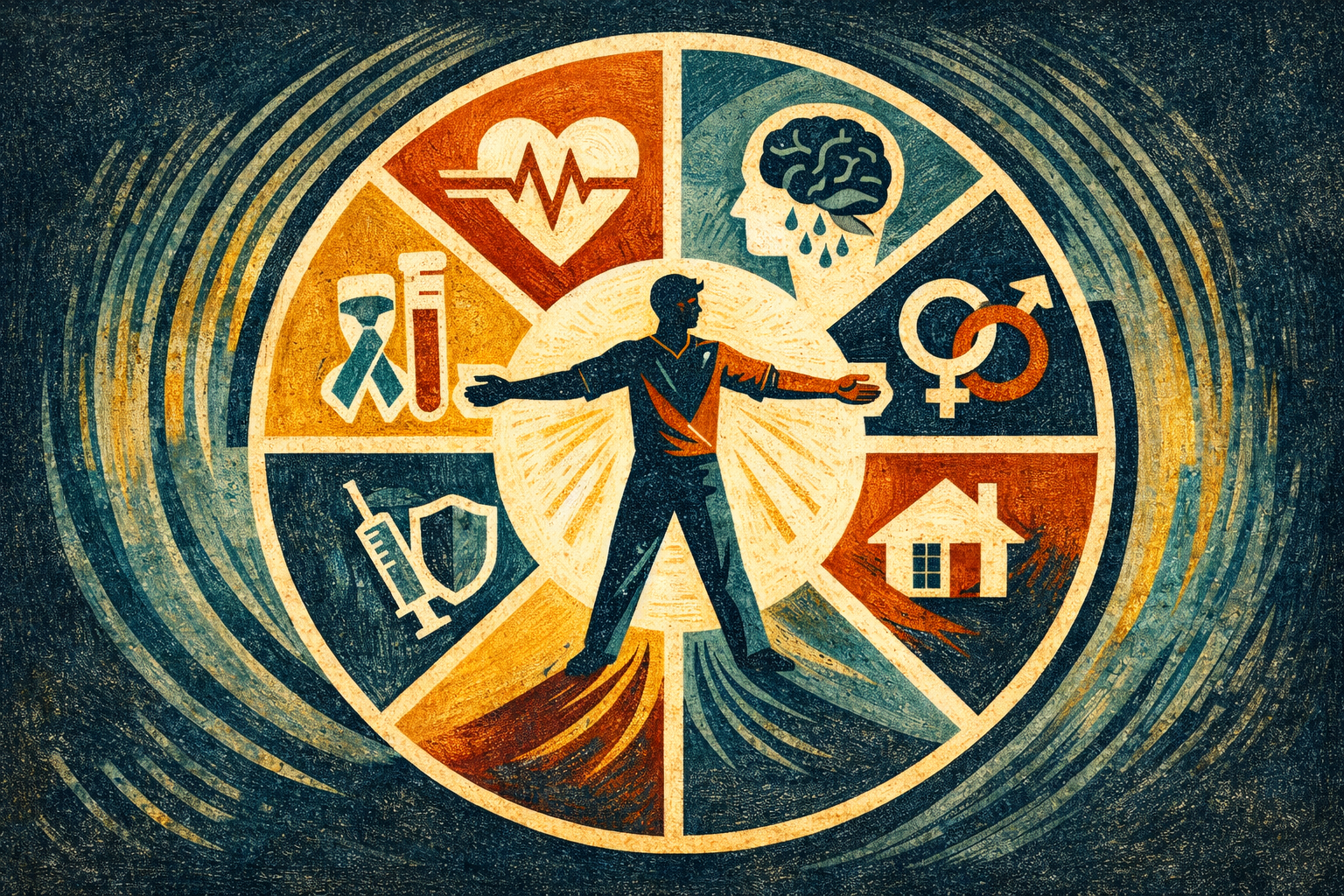
What’s Inside a Men’s Health Bundle?
Think of the Men’s Health Bundle as a one-page checklist you could screenshot and bring to your visit. The exact tests and timing will vary based on age, risk, and local guidelines, but the backbone is consistent.
Heart and metabolic health. Basic measurements (blood pressure, heart rate, BMI or waist circumference), plus blood tests for cholesterol and blood sugar to pick up diabetes or pre-diabetes. For many men (especially men in midlife and men of color) these conditions start earlier and progress quietly, so catching them early matters.
Mental health and substance use. A short questionnaire about mood and anxiety, a couple of direct questions about suicidal thoughts, and a conversation about alcohol and other substances. The goal isn’t to scold; it’s to spot early warning signs and connect men with support before crisis hits.
Cancer and chronic disease screening. Depending on age and risk, this might include colorectal cancer screening (stool tests or colonoscopy), a discussion of prostate and testicular health, lung cancer screening for those with a significant smoking history, and skin checks.
Sexual and reproductive health. Space to talk about sexual function, libido, erection changes, fertility questions, and contraception. For men at risk, testing and treatment for sexually transmitted infections and a conversation about safer sex, consent, and communication in relationships.
Lifestyle, function, and social context. Brief, honest discussion about physical activity, sleep, diet, and tobacco use, plus questions about work conditions, money worries, housing stability, social connection, and safety. This is where issues like loneliness, burnout, and role strain come into focus.
Immunizations and infectious disease. Making sure routine vaccines (tetanus, influenza, COVID-19, and others as appropriate) are up to date, and offering screening for HIV, hepatitis B and C, and other STIs as a standard part of staying well.
The bundle is a flexible template. For younger men, it leans more into sexual health, mental health, substance use, and early risk; in midlife, cardio-metabolic risk and cancer screening move to center stage; for older men, falls risk, cognition, function, and medication review become more important, alongside nutrition, movement, and social connection (White et al., 2023; Gallegos, 2016). The point is not to give every man every test, but to make sure someone is looking at the full picture and tailoring the visit to where he is in life.
Why the Packaging Matters
If the clinical content of the Men’s Health Bundle is largely familiar, its packaging and framing are what make it different.
A bundle reduces time and hassle by organizing what might otherwise be three or four separate appointments into one main event, when this is possible. It provides clarity by giving the visit a name, a short description, and a checklist, so men know what they are signing up for and what “done” looks like. It can also work with, rather than against, masculinity norms by framing the visit as a proactive act of responsibility for family, work, and community, rather than a sign of weakness (Evans et al., 2011; Seidler et al., 2016).
Crucially, the bundle is also a communications product. It’s something clinics, employers, and community organizations can market: “Book your Men’s Health Bundle.” That message can be tailored to different groups of men, co-designed with communities who have experienced neglect or discrimination, and delivered in settings where men already are—workplaces, sports clubs, barbershops, and online spaces (Roy et al., 2022; Seidler et al., 2024).
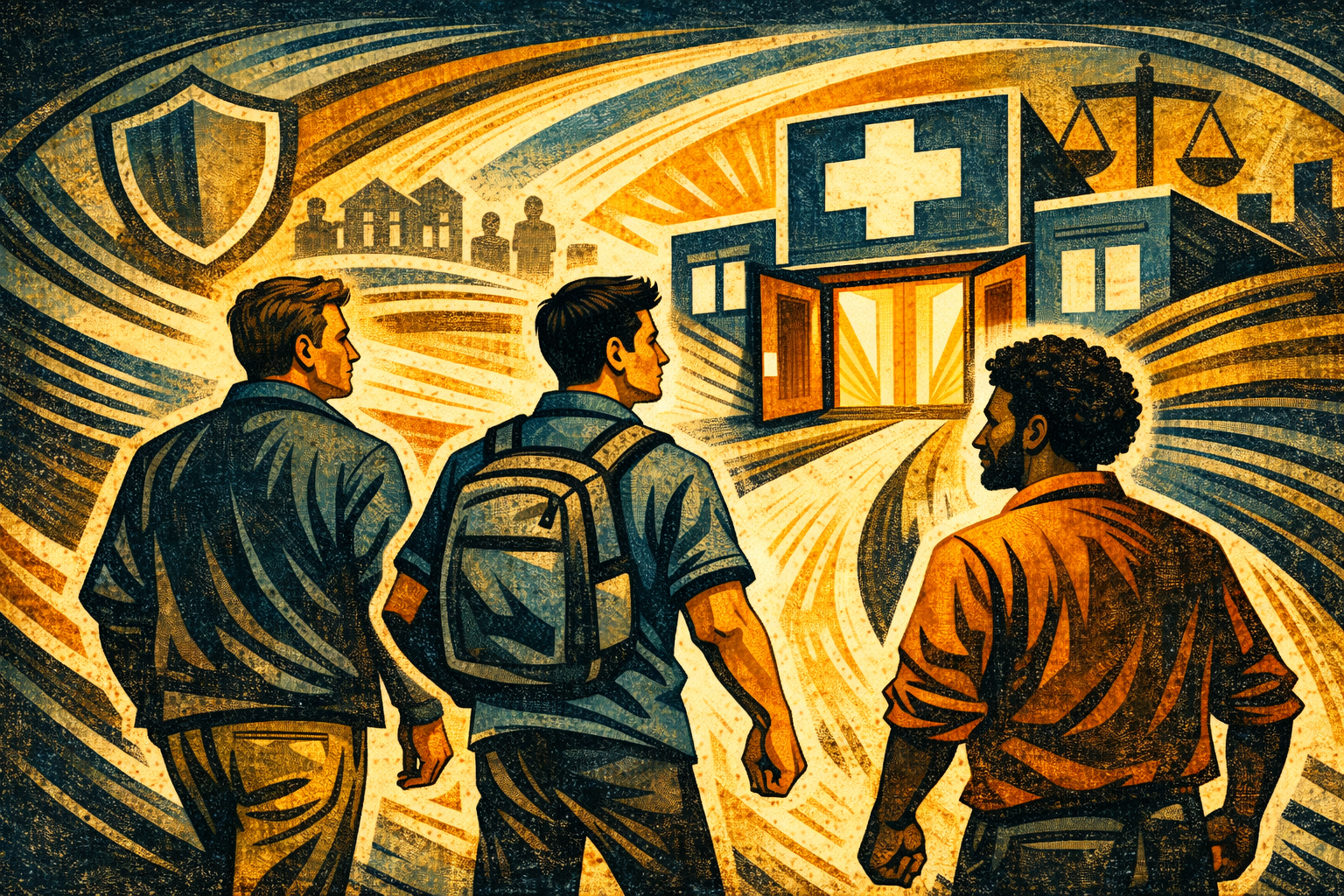
Getting Men Back In
For individual men, the ask is simple: if this idea resonates, use it. When you call your clinic or employer health service, try saying, “I’d like to schedule a men’s health check that covers my heart health, labs, cancer screening, mental health, and sexual health. Is there a way to combine those into one visit?” I typically draft a short list of questions on my phone that also includes my medication list, and key family history. I know the likelihood of forgetting something in that moment is high. Also, as I learned, remember to ask the staff which parts of the visit are covered as preventive care under your plan.
For health systems, employers, and community partners, the work is to turn the concept into a concrete offer. Map what you already cover and recommend; group it into one or more standard Men’s Health Bundles by age and risk; give those bundles clear names and descriptions; then build them into scheduling systems, outreach campaigns, and community events (Baker, 2025; Galdas et al., 2025).
The Men’s Health Bundle is not a magic bullet. But by turning a scattered set of services into a single, named health event, and by marketing that event in a way that respects men’s time, roles, and identities, it offers a practical way to get more men back into care—and to keep them there long enough to make a difference.
This behavior is hardly exclusive to men. What we know about other masculine norms closely aligned with "being a strong man" (e.g., limited emotional intimacy with men and stoicism) limit men's social engagement and support network, which also has significant negative impacts on overall health and wellbeing. This is why I highlight them so often in my writing.
Note: I recently learned about the woodblock artwork of Sybil Andrews. In this blog, I created descriptions of the different images and asked AI to generate images inspired by her work. In her work, I see significant levels of masculinity, momentum, and systems thinking that felt appropriate to align with my writing. You can learn more about her life and work at the following links: Link1, Link2 and Link3 – Google search “Sybil Andrews images”.
References
Addis, M. E., & Mahalik, J. R. (2003). Men, masculinity, and the contexts of help seeking. American psychologist, 58(1), 5.
Alba, C., Zheng, Z., & Wadhera, R. K. (2024, February). Changes in health care access and preventive health screenings by race and ethnicity. In JAMA Health Forum (Vol. 5, No. 2, pp. e235058-e235058). American Medical Association.
Baker, P. (2025). Men's health policy: Recent progress, current barriers and new opportunities. International Journal of Men's Social and Community Health, 8(2), 63-67.
Evans, J., Frank, B., Oliffe, J. L., & Gregory, D. (2011). Health, illness, men and masculinities (HIMM): a theoretical framework for understanding men and their health. Journal of Men's Health, 8(1), 7-15.
Gallegos, J. L., Serrano, C., Holly, C., & Nelson, J. (2024). Advancing preventive health care for men across the lifespan. The Nurse Practitioner, 49(11), 44-47.
Galdas, P. M., Seidler, Z. E., & Oliffe, J. L. (2025). Designing men's health policy: the 5R Framework. The Lancet Public Health, 10(10), e848-e854.
Johnson, S., Bodenstein, K., van Vuuren, C. J., & Nel, R. (2022). Promoting Men’s Health in a Community: Strategies for Healthcare Professionals Focused on Physical Activity and Lifestyle Habits. International Journal of Men's Social and Community Health, 5(3), e15-e32.
Leone, J. E., Rovito, M. J., Mullin, E. M., Mohammed, S. D., & Lee, C. S. (2017). Development and testing of a conceptual model regarding men’s access to health care. American journal of men's health, 11(2), 262-274.
Mursa, R., Patterson, C., & Halcomb, E. (2022). Men's help‐seeking and engagement with general practice: An integrative review. Journal of Advanced Nursing, 78(7), 1938-1953.
Roy, P., Tremblay, G., & David, A. (2022). Quebec’s Model for Men’s Health: Connecting Community, Research, Practice, and Policies. International Journal of Men's Social and Community Health, 5(1), 27-42.
Seidler, Z. E., Dawes, A. J., Rice, S. M., Oliffe, J. L., & Dhillon, H. M. (2016). The role of masculinity in men's help-seeking for depression: a systematic review. Clinical psychology review, 49, 106-118.
Seidler, Z. E., Benakovic, R., Wilson, M. J., McGee, M. A., Fisher, K., Smith, J. A., ... & Sheldrake, M. (2024). Approaches to engaging men during primary healthcare encounters: A scoping review. American Journal of Men's Health, 18(2), 15579883241241090.
Teo, C. H., Ng, C. J., Booth, A., & White, A. (2016). Barriers and facilitators to health screening in men: a systematic review. Social Science & Medicine, 165, 168-176.
White, A., Connell, R., Griffith, D. M., & Baker, P. (2023). Defining “men’s health” towards a more inclusive definition. International Journal of Men's Social and Community Health, 6(1), e1-e9.
