
At Relational Ground, Dominick explores how men’s health, relationships, and societal change intersect through stories, research, and global perspectives. This work examines how cultural norms and systemic barriers shape men’s experiences with reproductive health, family planning, and emotional well-being. From global fertility trends to fathers’ roles in sexual health and the NFL’s platform for men’s health, Relational Ground challenges outdated narratives and offers practical solutions. Its relational approach emphasizes connection—between partners, families, communities, and health systems—as a catalyst for stronger public health and healthier lives. Click the link to visit the Relational Ground Substack. Exemplary blogs are shared below. 
Miles, Men, and the Work of Staying Connected
Men do not usually walk away from their health, relationships, or sense of purpose all at once. Instead, they slowly drift away over time. Miles, Men, and the Work of Staying explains how cultural expectations about masculinity contribute to this disengagement, and why staying connected to care, identity, and other people requires ongoing effort.

Yes, The Manosphere Documentary Matters, But What Matters More?
The manosphere isn’t just an internet subculture—it’s filling a gap. This piece explores why the documentary matters, and why the deeper issue is men’s search for connection and belonging.
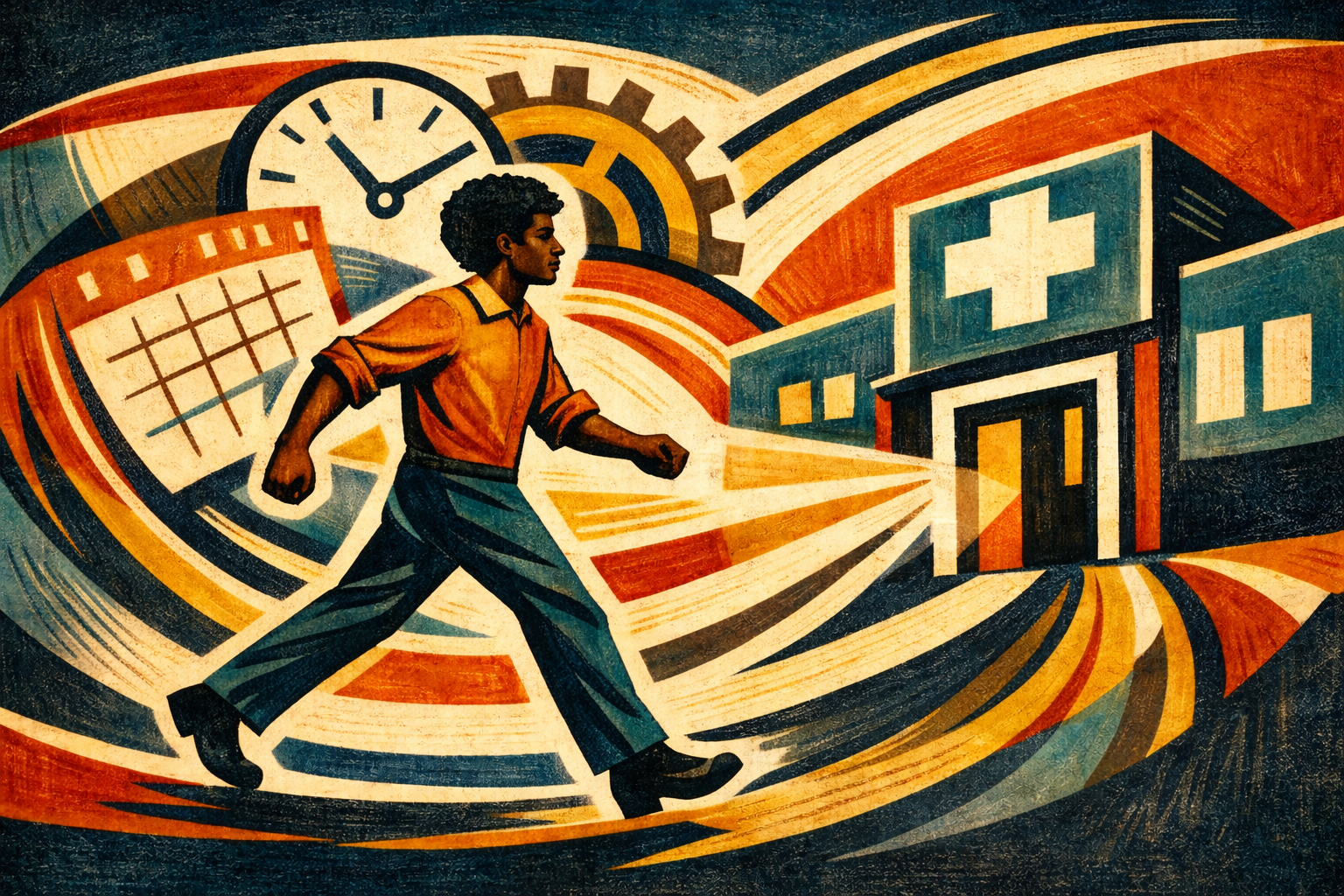
Why Men Need a “Single-Visit” Health Check
Most of the preventive services men need already exist—but they’re scattered across multiple appointments. The Men’s Health Check Bundle reorganizes routine screenings, labs, and conversations into one clearly named, bookable health event. By reducing friction and improving marketing, this single-visit model makes it easier for men to get back into care and stay engaged in preventive health.
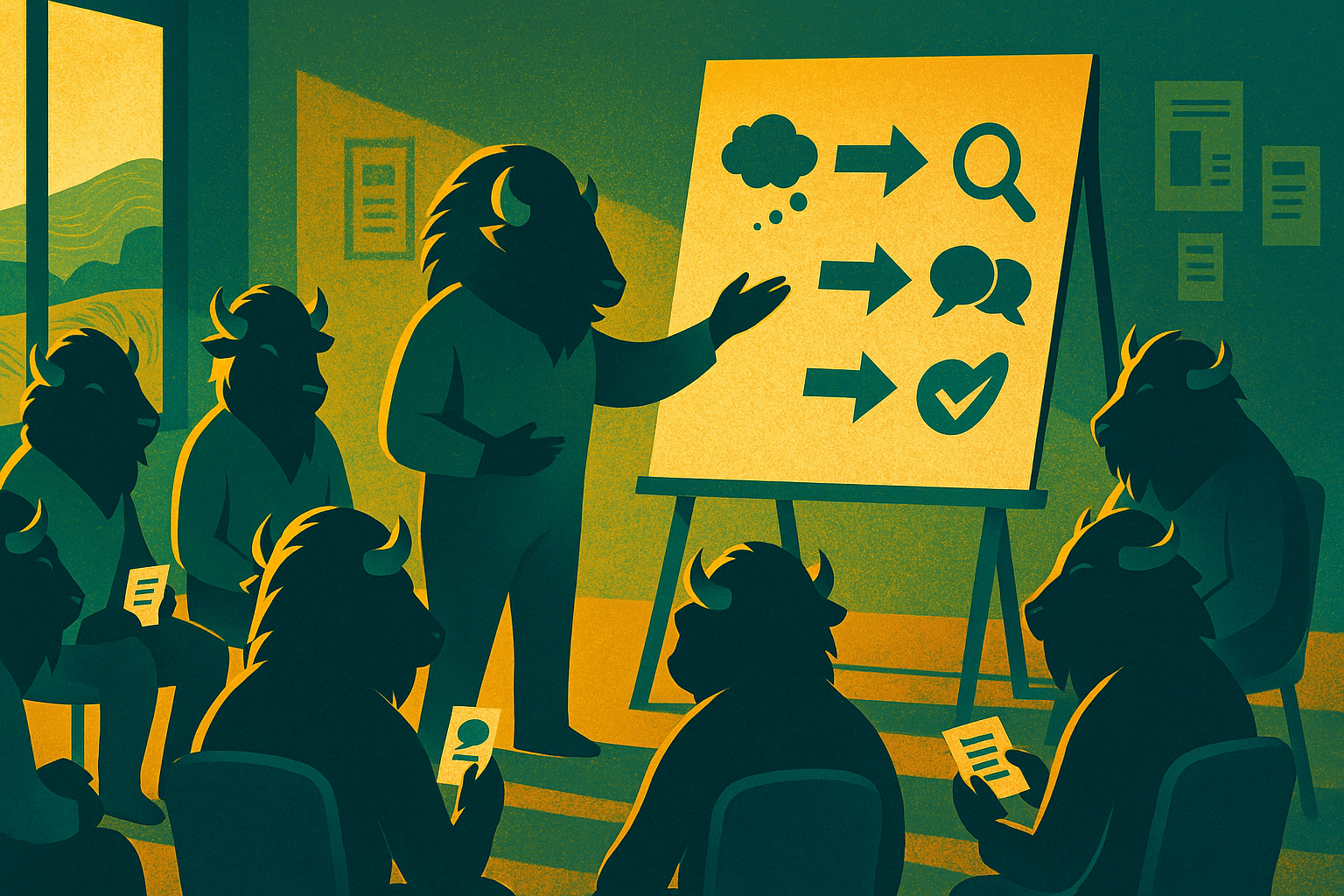
From Talk to Transfer
By consolidating ten male-engagement curricula into an implementation-ready learning sequence (RAST) with explicit safeguards, artifacts, and service linkages, this paper moves the field from attitude change to behavioral transfer. It operationalizes men’s own health-seeking—especially in SRH—through rehearsable micro-skills and measurable clinic pathways, yielding generalizable design standards that enhance effectiveness, external validity, and participant safety (autonomy, confidentiality, GBV risk mitigation).