Miles, Men, and the Work of Staying Connected
Two Hikes and a Lifetime of Friendship
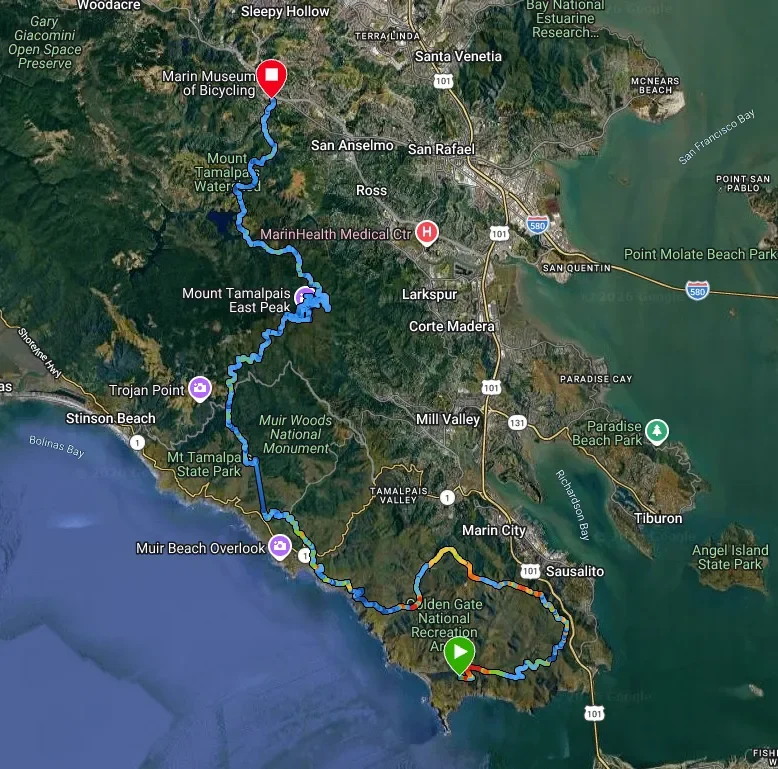
It was still dark when we were dropped off in a parking lot within the Marin Headlands, just beyond the Golden Gate Bridge. The air had that early morning dampness that sits on your skin before the sun burns it off. We weren’t going to see daylight for another hour or two. At 6:04 AM, the first cluster of that day’s 51,000 steps began. Three guys who had known each other since childhood set out to hike 31 miles across Northern California.
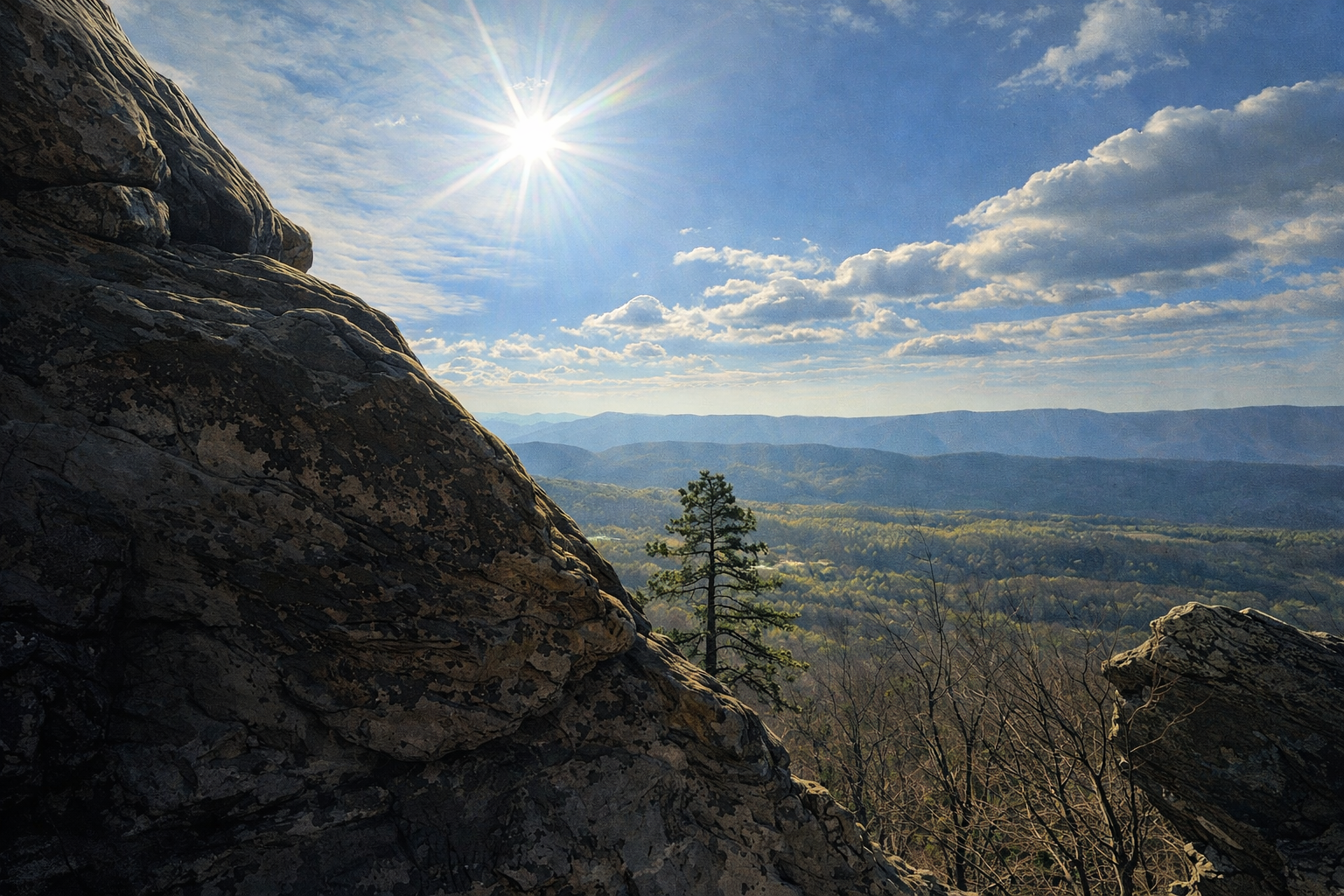
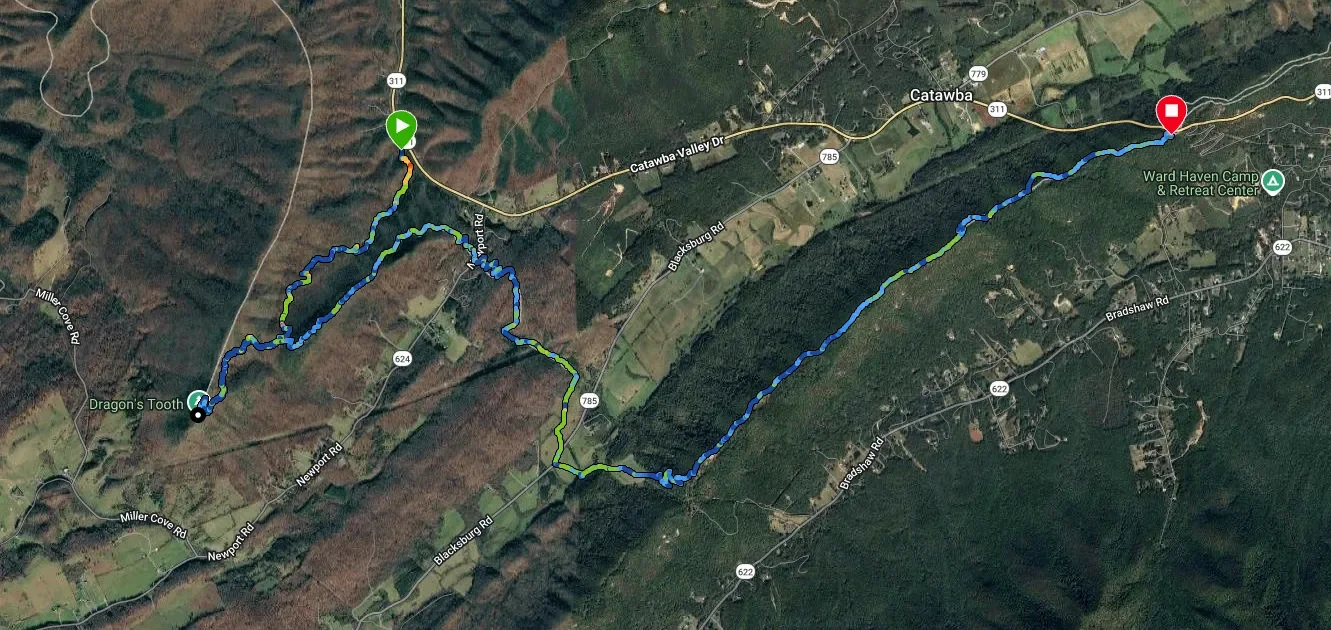
Two weeks later, I found myself on another trail. This time in Western Virginia, heading toward the often-climbed peak, Dragon’s Tooth, outside of Roanoke. It was a beautiful day, warm and clear, the kind of weather that makes everything feel possible. But that hike would end very differently. We had planned to go 23 miles. I made it 10.
These hikes weren’t really about distance. They were about something else, something harder to name but easier to feel. They were about who you’re with when things get difficult, and what it means to stay connected to other men over time.
The Long Walk: History as Infrastructure
I’ve known John since kindergarten and Marc since second grade. That kind of history doesn’t just give you stories; it gives you infrastructure. It shapes how you move through the world together.
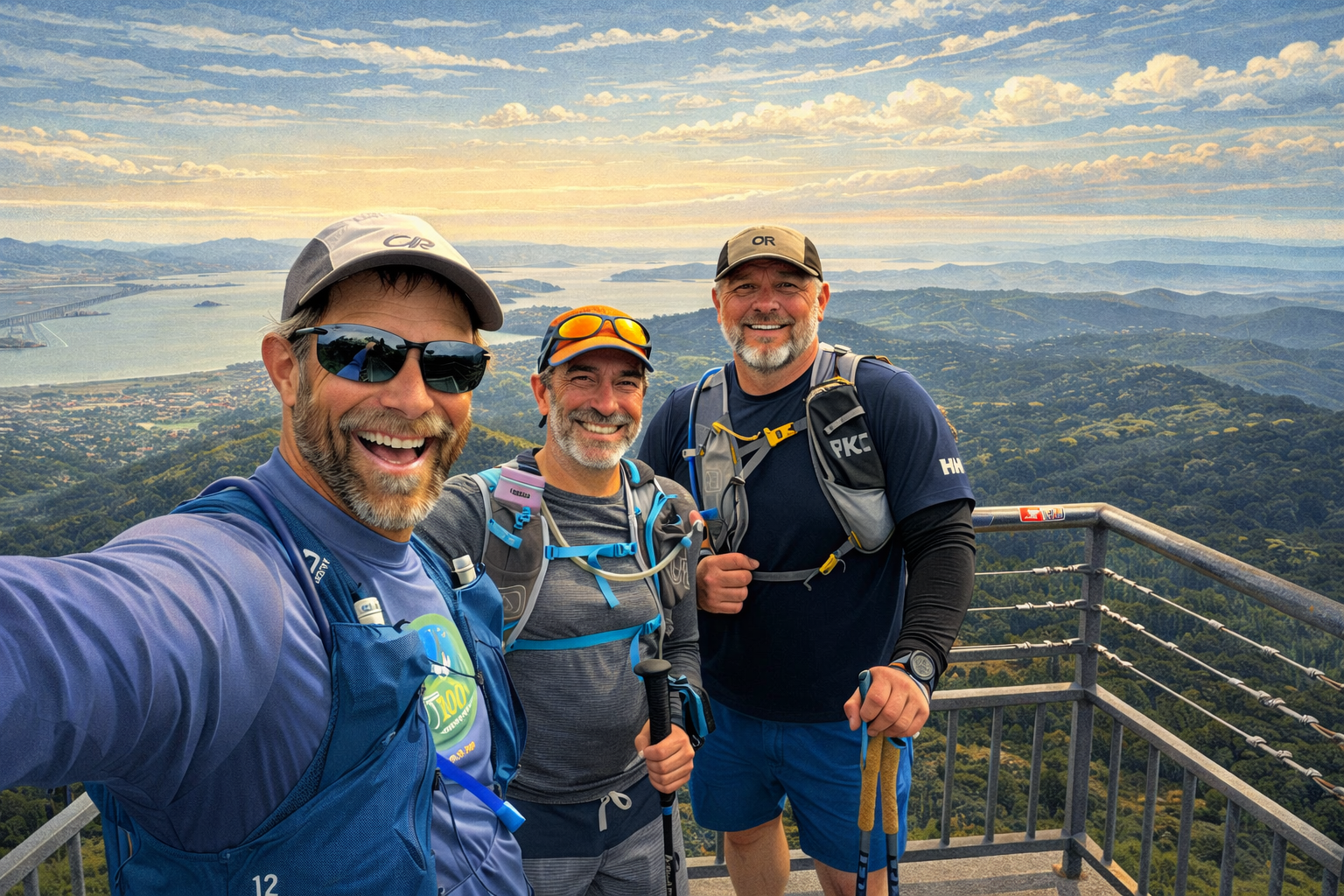
On that trail, the conversation moved the way it always has, effortlessly. We talked about middle school, the overlap of our high school years, living together in college, and visiting each other across campuses. I remembered driving cross-country with Marc’s dad to see both of them after they had moved west: John to Portland, Marc to Sacramento. These weren’t stories we were telling for the first time. They were markers. Proof that we had kept showing up in each other’s lives.
The tone shifted constantly. One minute we were joking, often in ways that would make most people uncomfortable, and the next we were talking about work, family, the things that have changed as we’ve gotten older. Other times, there was no talking at all because there was no need to signal when things were serious or not. Long-term friendships give you range.
Physically, I was being carried along these miles more than I’d like to admit. John and Marc, each about 100 lbs. lighter than me, adjusted their pace. Sometimes they slowed down to keep me with them, sometimes pushing me forward with encouragement. There was limited discussion about it, another benefit of knowing each other since childhood.
Difficulty as a Medium for Connection
Thirty-one miles gives you a lot of time to think. It also gives you a lot of time to feel everything your body would rather avoid.
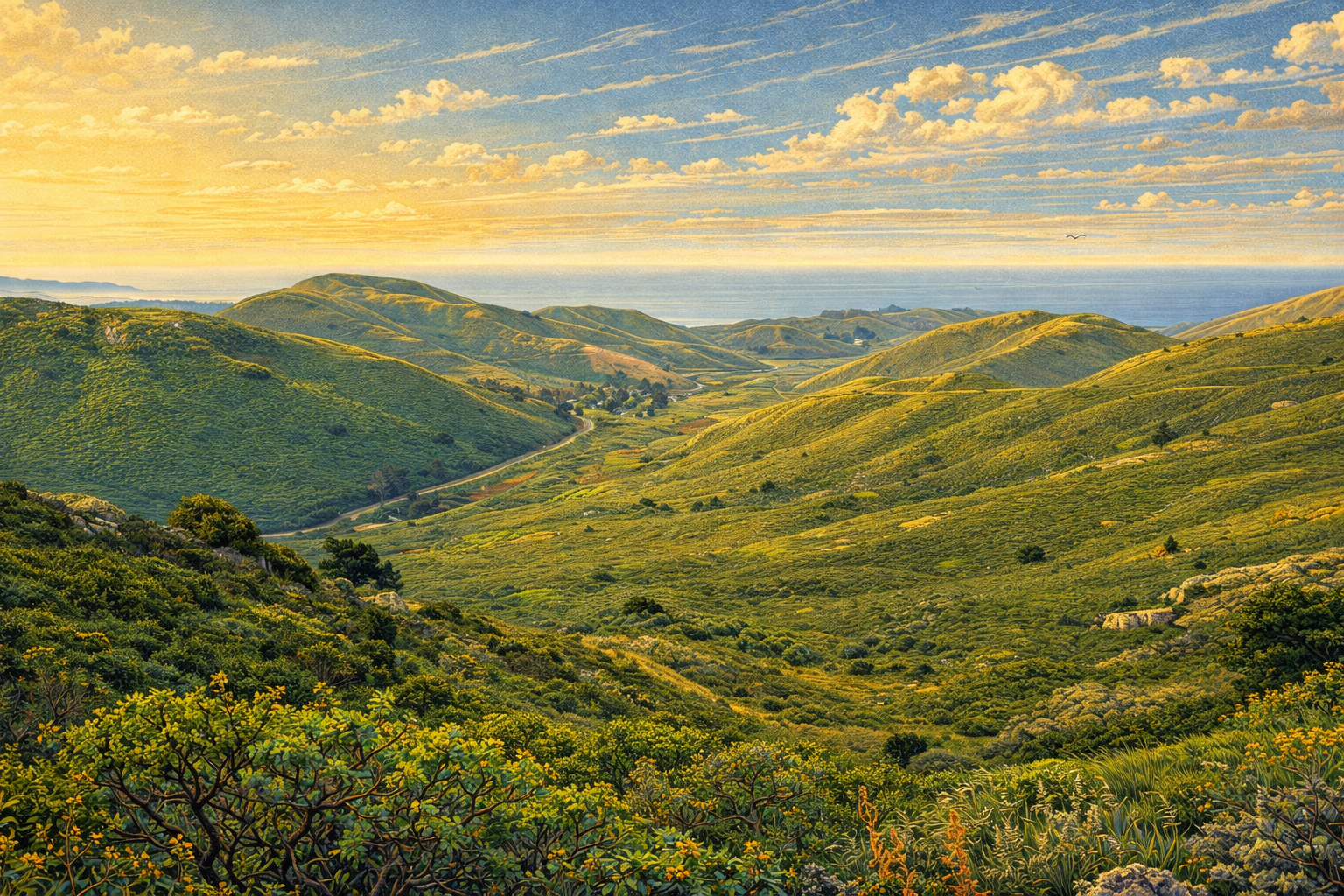
The trail stretched out in front of us in long, unforgiving segments. There were moments where you could see exactly where you were going for more than a mile, including every incline and switchback you still had to cover. There’s something mentally challenging about that kind of visibility. You experience your progress and real-time as the distance shrinks only so fast.
We moved mostly in a line, talking over our shoulders so the person behind us could hear. Other times, we didn’t talk at all. But the silence wasn’t empty. It was shared.
At the top of Mt. Tamalpais, my calves started twitching. Not subtly. The kind of twitching that tells you your body is reaching a limit. I sat down at while John and Marc refilled their bottles. For a few minutes, it was just me and the discomfort.
Then I struck up a conversation with a woman who had driven her mother and brother up to the summit to celebrate her mother’s 97th birthday. Ninety-seven. She was walking around, taking it in. When John and Marc came back, we all started talking, and the family quickly took my side, telling them to take it easy on me.
It was a small moment, but it stuck with me. Not because of what was said, but because of how easily it all fit together: strangers stepping into the dynamic, my friends laughing, the shared understanding that I was hurting but still moving. And, most importantly, our relationships with one another have morphed in so many ways to include new locations, wives, children, friends, and loss.
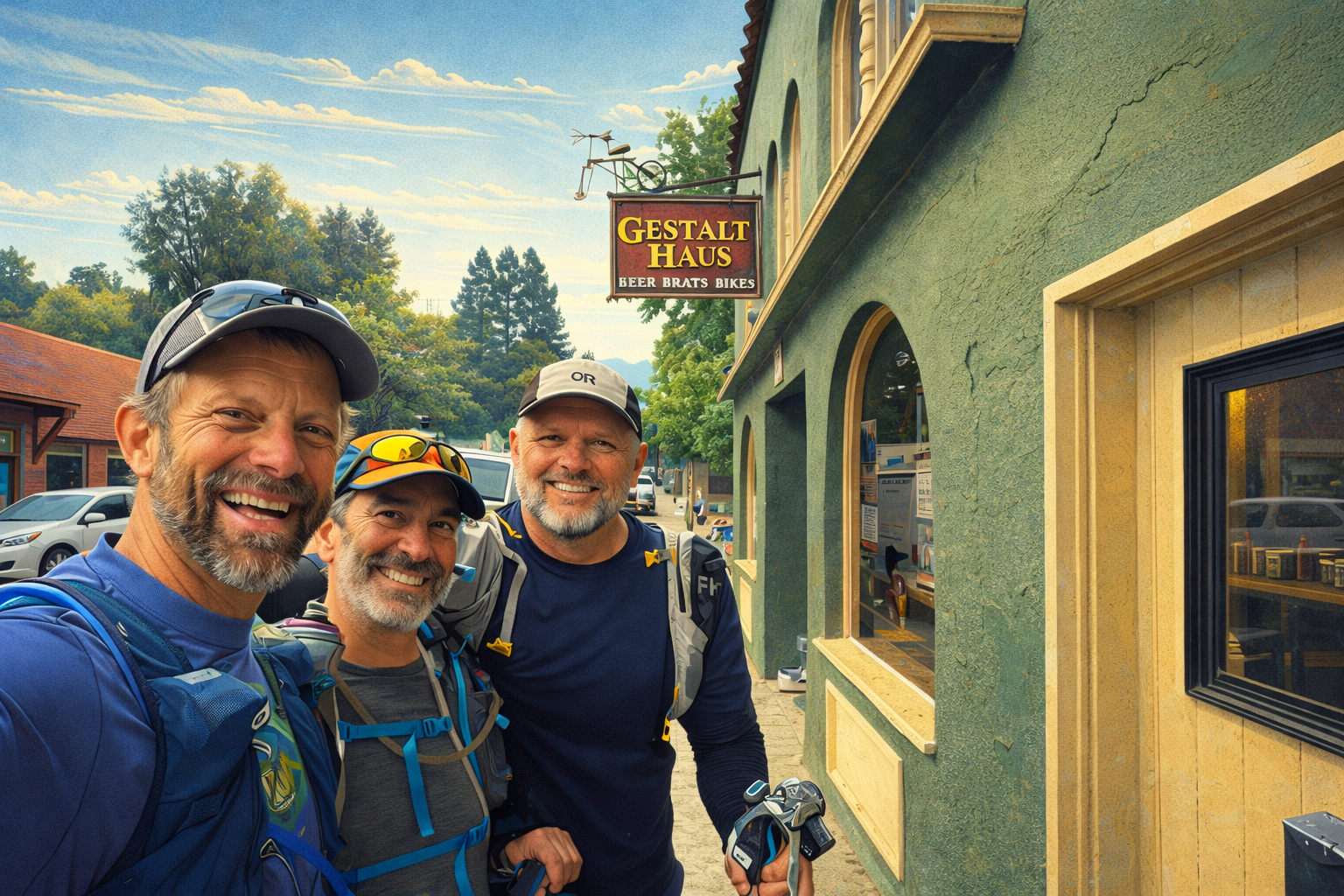
By the time we finished at Gestalt House in Fairfax, I was spent. Physically, the hike had taken everything out of me. But emotionally, I felt steady.
What I understand about relationships is that difficulty doesn’t interrupt connection, it creates the conditions for it. The strain, the silence, the small check-ins, the shared pace, all of it adds up to something that’s hard to replicate anywhere else. You don’t have to perform or explain much. Just showing up and staying with it, together, is enough.
The Shorter, Harder Day
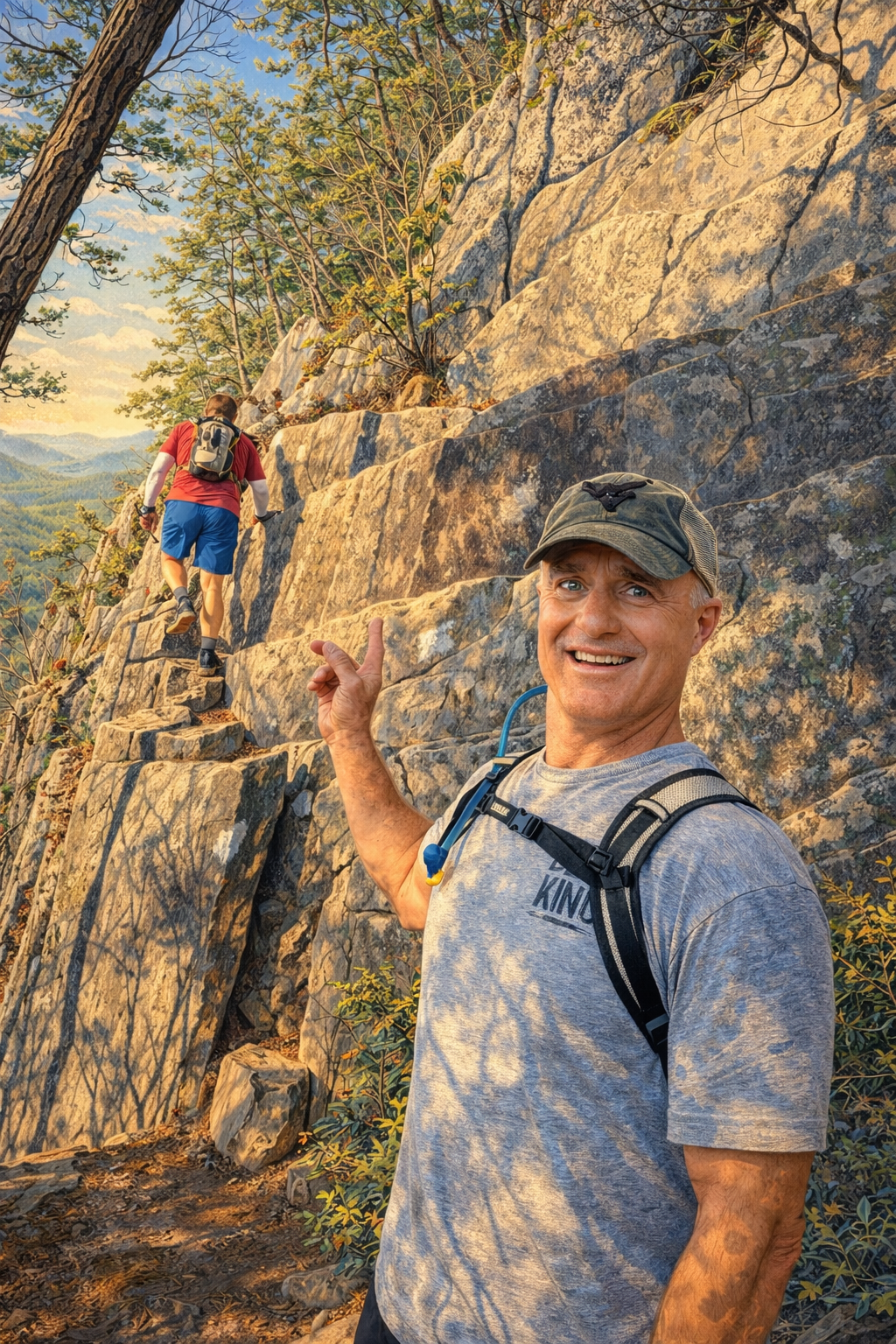
The second hike felt different right from the start, but the camaraderie was similar. Different in ways that were hard to name at first. Unlike the coast of Northern California, the trail and forest in Western Virginia are tight, narrow footpaths, with trees always a foot away. Beautiful, but more challenging to mentally track your distance. It forces you depend on the consistency of the Appalachian Trail’s white blazes (your tech/maps) and whoever was leading at each moment.
Scott and Karl drove to Roanoke, VA from Durham, NC, for this weekend. Together, we had built a history that is shaped by the time in our lives when we were already adults. I lived in Durham for 17 years. It’s where I met my wife and where we started our family. Jay came into my life at a later phase, after my family moved to Arlington. Over the past decade, we’ve watched our kids grow into young adults. These are relationships built around responsibilities and shared chapters that look very different, but equally as important as those childhood friendships. Amazingly, all five of my hiking companions mentioned in this piece, know and have spend some time with each-other.
Around mile seven, I knew I wasn’t going to finish the hike as planned. I kept this self-doubt to myself for a moment. The goal shifted from completing 23 miles to figuring out how I was going to make it to the 10-mile stopping point at the parking lot for McAfee’s Knob.
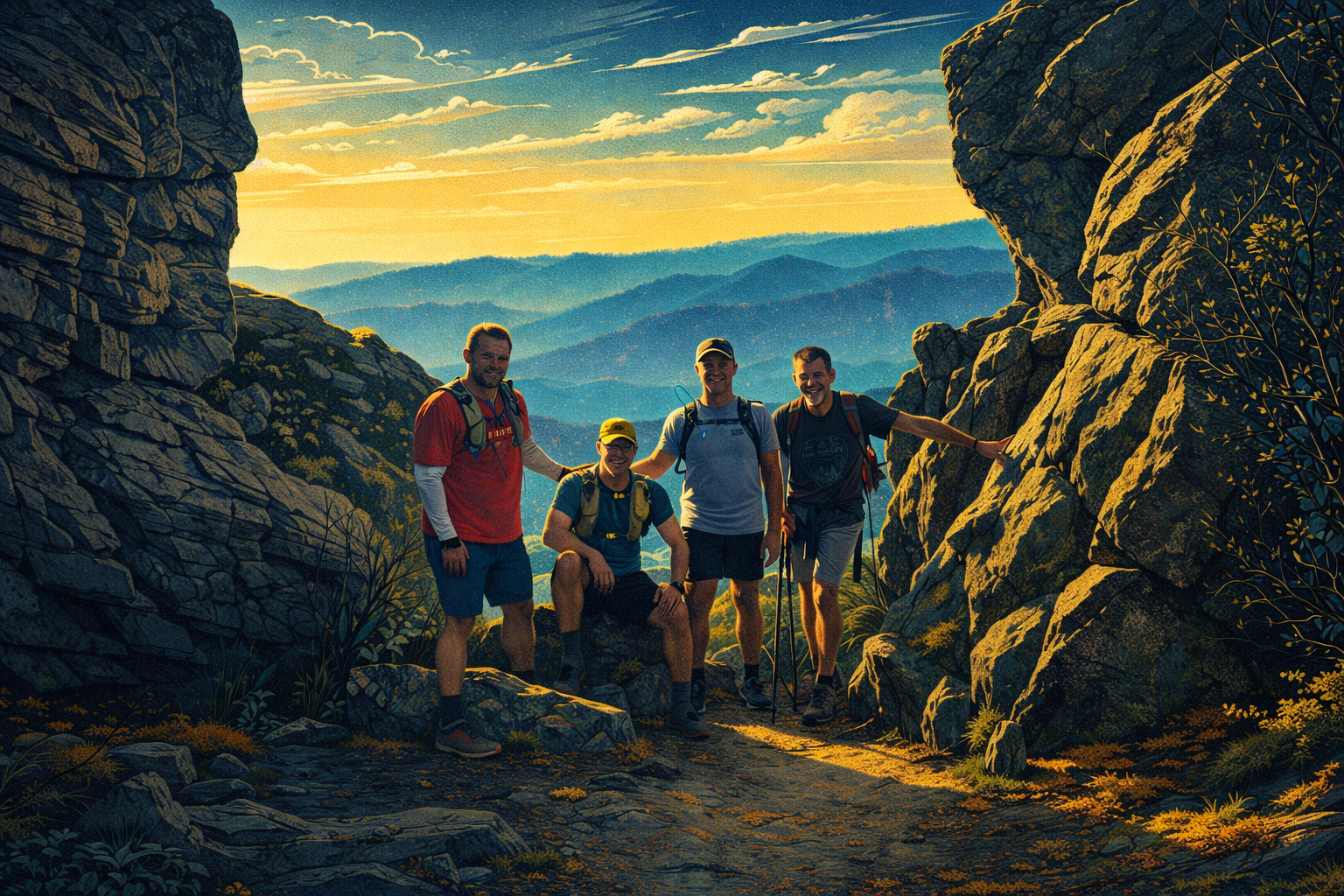
Physically, I was in trouble. I felt dizzy. I started asking for more breaks, sitting down on the side of the trail, trying to steady myself. The guys didn’t need a full explanation. They could see it. Each of them is a “take action” type who assess a situation and adjusts quickly. The focus became getting me to the stopping point safely. There was no frustration. No pressure to keep going. Just patience.
Internally, I was wrestling with the moment. I was embarrassed. Confused. Two weeks earlier, I had walked 31 miles. Now I was struggling to get through 10. I was running through every variable: fitness, preparation, terrain, and trying to make sense of the difference. But none of that changed how they showed up for me. And that mattered more than whatever explanation I could come up with.
Grief, Memory, and Who’s Missing
More than a decade ago, Karl, Scott and I were impacted by the death of a close friend, Ted. He was the glue of our Durham group. The person who connected people, made things feel lighter, and could ask the kind of offbeat, slightly inappropriate questions that somehow brought everyone closer. Ted could go deep on anything (e.g., demolition derbies, medication for pulmonary diseases, music, and how to maintain old Ford trucks) and make it interesting.
On the hike, we talked about him. We told Jay stories so he could understand who Ted was in the context of our group. We talked about his kids, about his illness, about how his cancer pulled a community together in ways that none of us would have chosen but all of us appreciated. Being on the trail created space for that conversation. It wasn’t forced or structured. As the years go by, we speak about Ted with fewer tears but with all the appreciation.
Losing Ted changed how I think about these relationships. Time together isn’t something to assume anymore, it’s something to choose. It takes effort to plan the trip, to make the call, to get on the plane, to step away from everything else competing for your attention. But that’s the point. These relationships don’t sustain themselves in the background. They require showing up, even when it’s inconvenient, even when it takes work. And when you do, you’re reminded pretty quickly why it matters.
Two Hikes, One Pattern
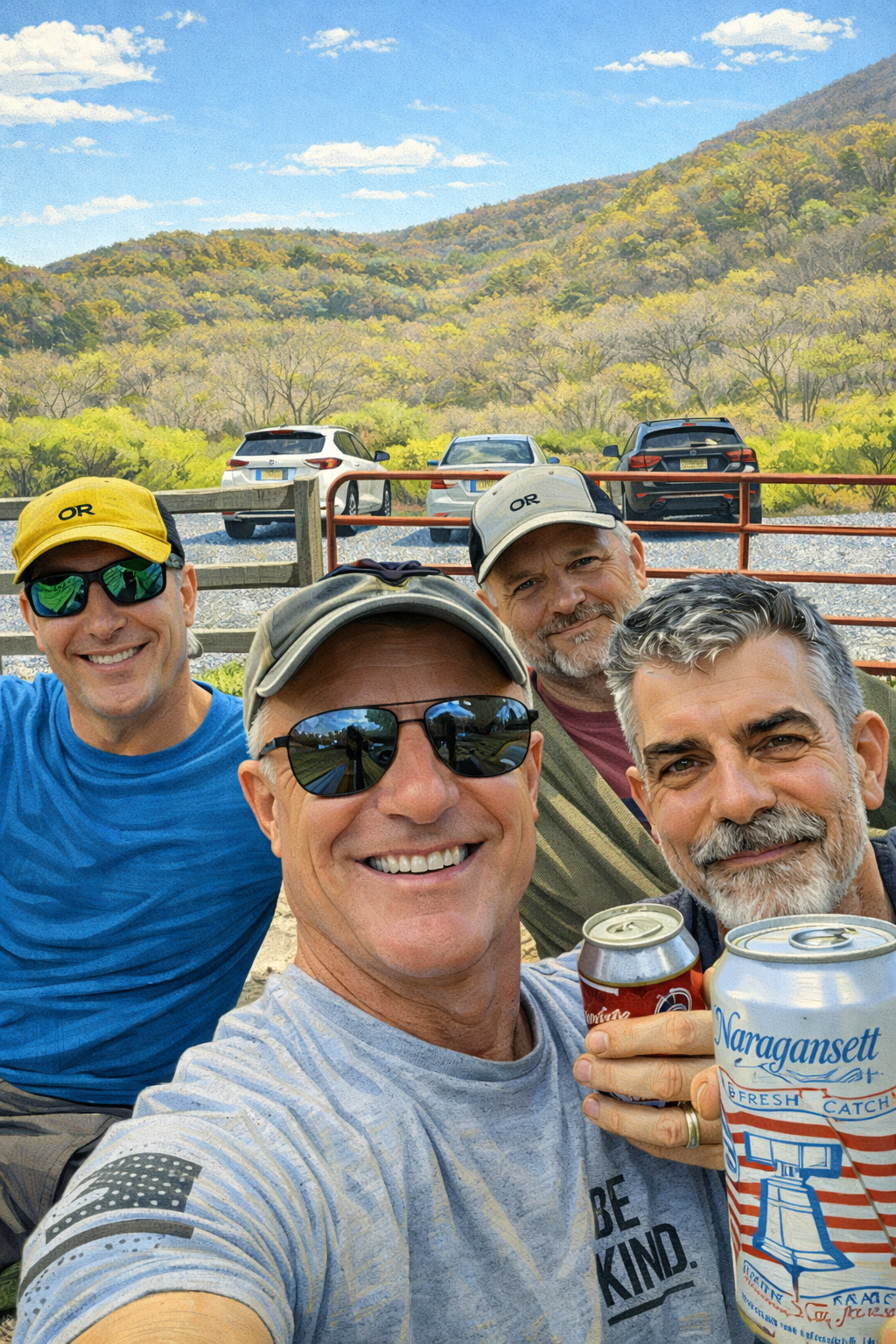
On paper, the hikes couldn’t have been more different. In retrospect, one was about endurance. The other is about limitation. But the underlying pattern was the same. Both hikes were built around an agreement to show up, spend time together, and do something that required effort. The hike was the event, but it wasn’t the point. The point was proximity and sharing this experience. Being in the same place long enough for something meaningful to happen.
In both cases, I felt the same thing: that I was safe, cared for, and that we’d figure it out together.
Why This Matters
In public health, we talk a lot about individual behaviors like exercise, diet, and preventive care. But we don’t spend enough time talking about the relational context that shapes those behaviors.
The evidence is clear: strong social connections are associated with better mental health, reduced loneliness, lower stress, and even increased longevity. The Harvard Longevity Study findings suggest that people with strong social bonds have significantly higher survival rates than those who are more isolated. But those connections don’t just appear. They’re built and maintained through repeated interaction, shared experience, and, often, shared difficulty.
For men, this is particularly important. Many of us are socialized to connect through activity rather than direct emotional expression. We talk side-by-side, not face-to-face. We build trust over time, not all at once. That doesn’t make the connection weaker. These relationships require structure through creating opportunities to get together. Hikes, like the ones described here are only one version of that structure.
What This Requires
These relationships don’t maintain themselves. They require picking up the phone or sending a text and planning your time, even when it’s a little inconvenient.
They require you to be willing to show up when you’re not at your best. Letting others see when you’re struggling and adjust when they are. If there are questions embedded in all of this, they are simple ones:
Who are the men you’re still making time for, and are making time for you?
and,What are you doing to make sure those connections don’t fade into the background of everything else?
These were two very different hikes with two very different outcomes. One was long and steady, the other ended much earlier than planned. But they both reinforced the same point. The value wasn’t in finishing. It was in doing it alongside people who know you well enough to adjust when it matters. If we’re serious about men’s health, we can’t treat connection as a byproduct. It must be part of the design.
The map below is the hike from the Marin Headlands to downtown Fairfax, CA. My watch got bumped in the Muir Woods NM where you can see the straight line. I don’t think there were any straight lines on this hike.
Below is the hike from the Dragon’s Tooth parking lot to the parking lot for the McAfee’s Knob trail, which crosses 311 and continues on.
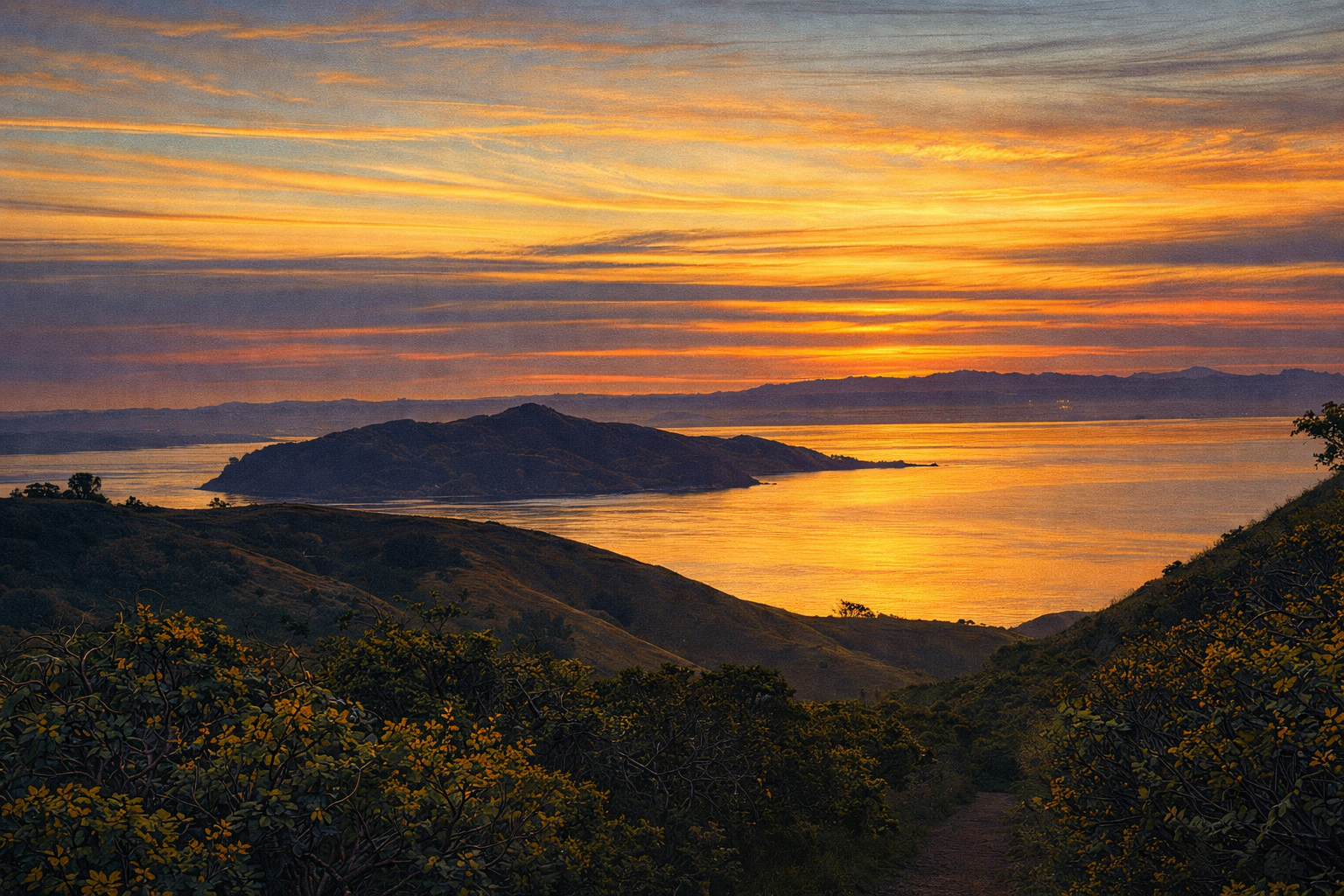
Except for the Garmin maps, the images in the article were recreated from photographs taken during our trip. I didn’t want to upload personal photos from this trip, just because. So, I ran them through an AI filter “…in the style of Eyvind Earle”. The people in the photos resemble my partners on the hikes, but not exactly. Also, it made my beard incredibly white - kinda Santa-ish. :)
