
At Relational Ground, Dominick explores how men’s health, relationships, and societal change intersect through stories, research, and global perspectives. This work examines how cultural norms and systemic barriers shape men’s experiences with reproductive health, family planning, and emotional well-being. From global fertility trends to fathers’ roles in sexual health and the NFL’s platform for men’s health, Relational Ground challenges outdated narratives and offers practical solutions. Its relational approach emphasizes connection—between partners, families, communities, and health systems—as a catalyst for stronger public health and healthier lives. Click the link to visit the Relational Ground Substack. Exemplary blogs are shared below. 
Should AI Companionship Optimize Engagement or Develop Relational Spillover?
It’s now possible to have a companion who never rejects you, never misreads your tone, and never needs anything back. That feels comforting — especially in a lonely world. But real relationships are built through discomfort, repair, and reciprocity. What if AI companions were designed not to maximize engagement, but to build relational capacity offline? This essay proposes a new metric: relational spillover.
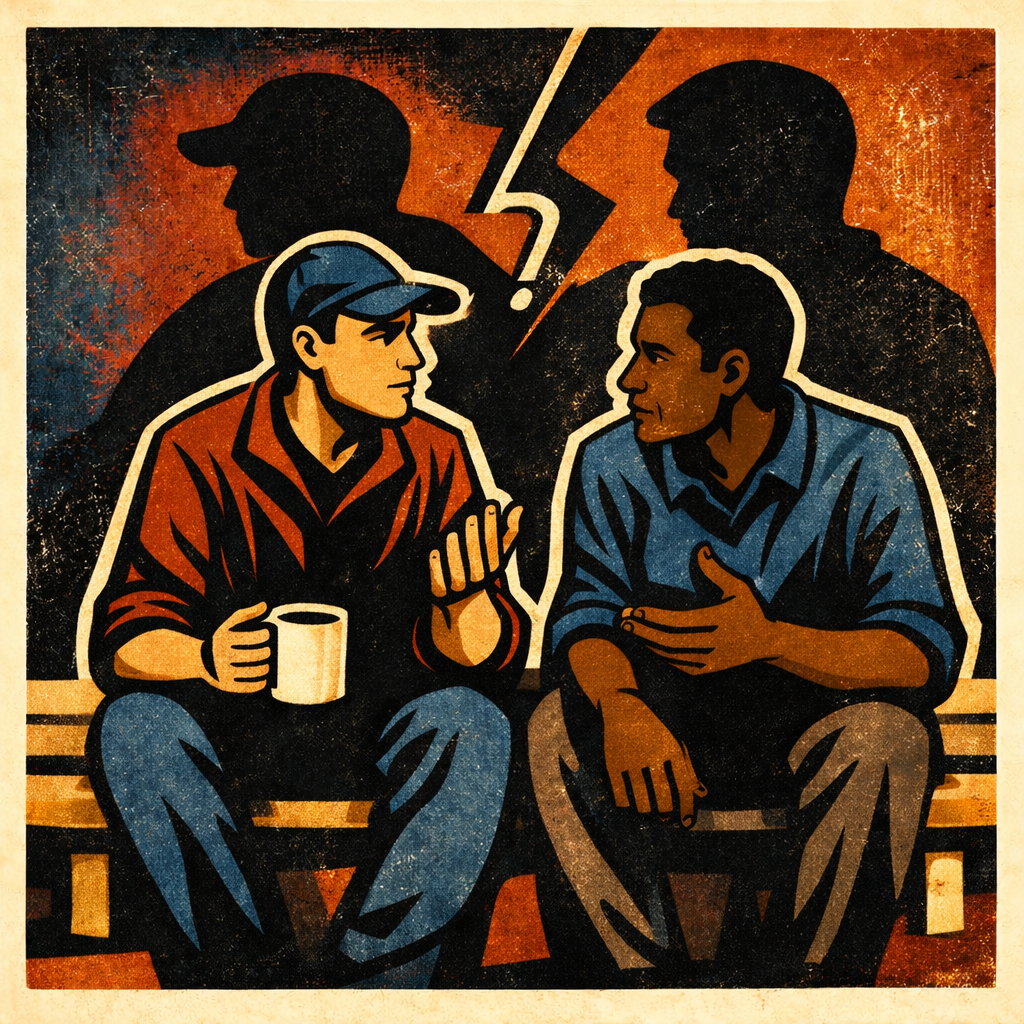
Interpersonal Curiosity as Relational Infrastructure
Loneliness is not simply the absence of contact; it is the absence of meaningful understanding. Research on interpersonal curiosity suggests that asking better questions—and following up—may be one of the most practical tools for strengthening male friendships.
Men’s Holiday Check-In Guide
The holidays can be a meaningful time to reconnect—but also a time when some men struggle quietly. This guide offers a relational, low-pressure way to check in with the men in your life through everyday moments and casual conversations. Simple prompts, small gestures, and gentle follow-ups can make the season feel more connected and supportive.
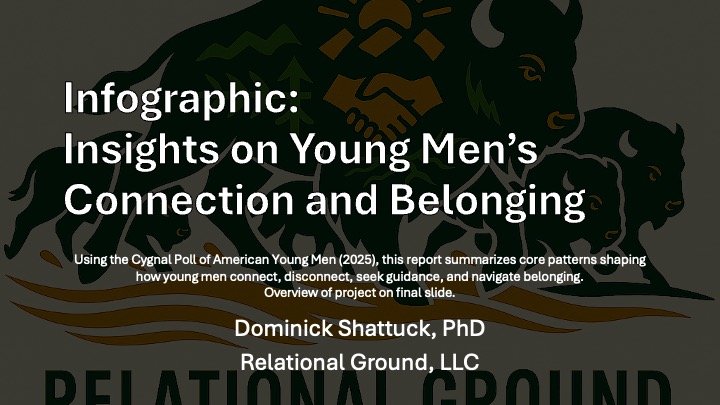
Infographic: Insights on Young Men’s Connection and Belonging
• “Up to 40% of young men now belong to no organized group. Belonging is breaking down—and the data shows why.”
• “Digital spaces aren’t replacing community for young men. They’re the only community many have left.”
• “Peer invitations work. Adult outreach doesn’t. Recruitment is relational—not institutional.”
• “The least connected young men aren’t disinterested—they’re under-supported. Context, not character.”
• “To rebuild belonging, start small: peers doing something together.”
From Bowling Alone to Digital Belonging
A generation after Robert Putnam’s Bowling Alone warned of civic decline, Gen Z is rebuilding belonging online. From Discord servers to Reddit micro-communities, young people are finding new forms of connection that mirror yesterday’s bowling leagues—while facing new risks of isolation. This blog explores how digital micro-spaces can help young men and women foster purpose, vulnerability, and mentorship in a disconnected age.